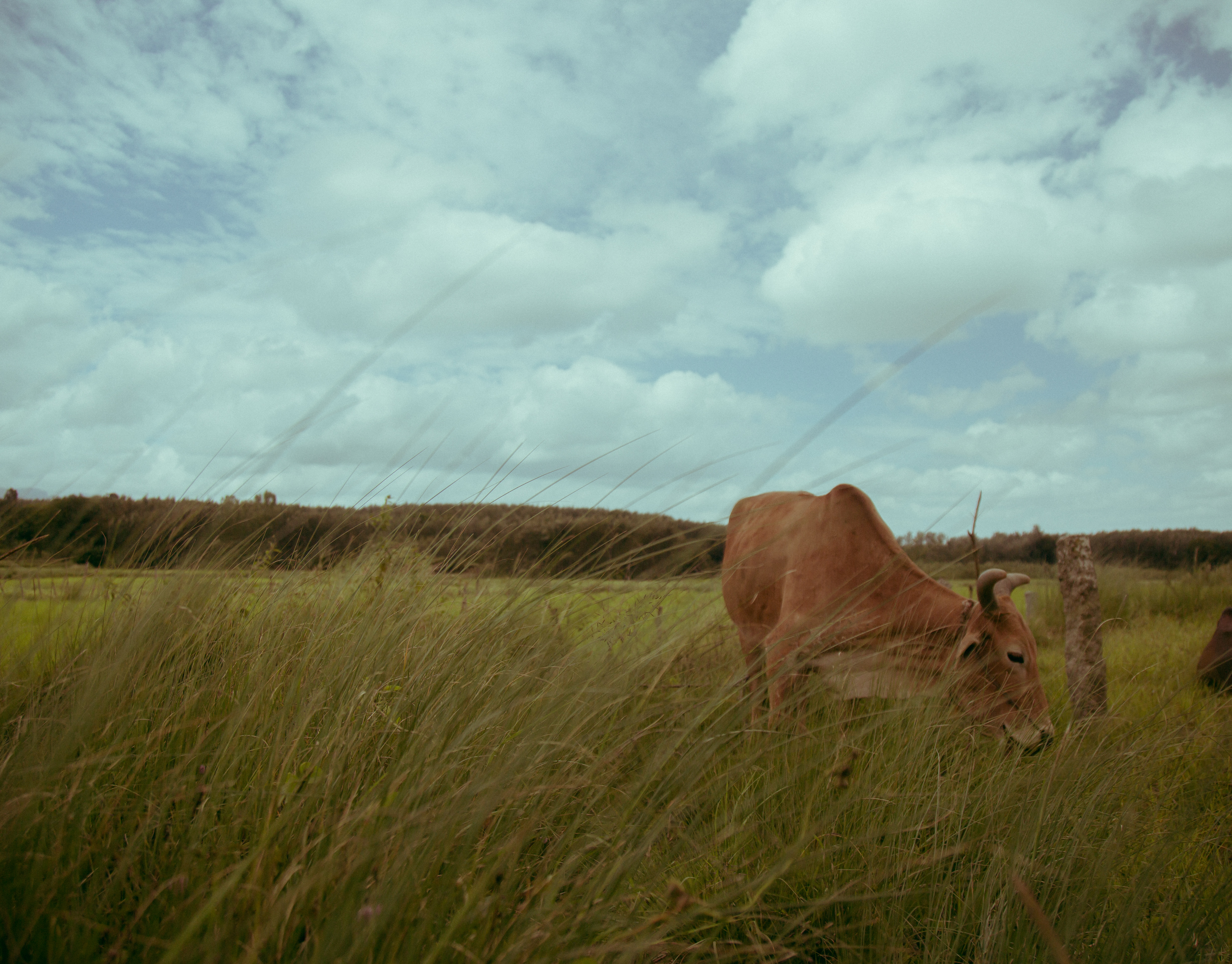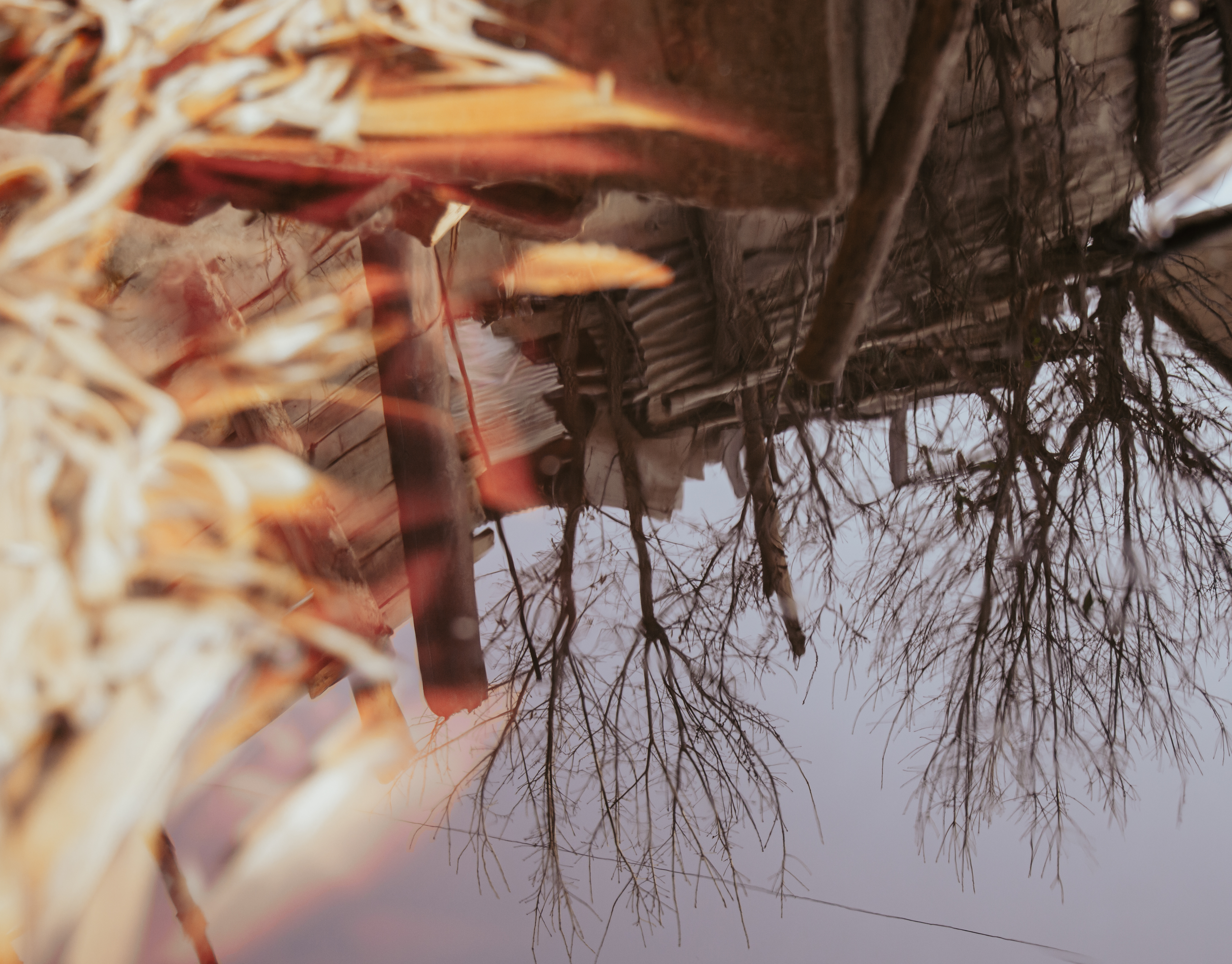
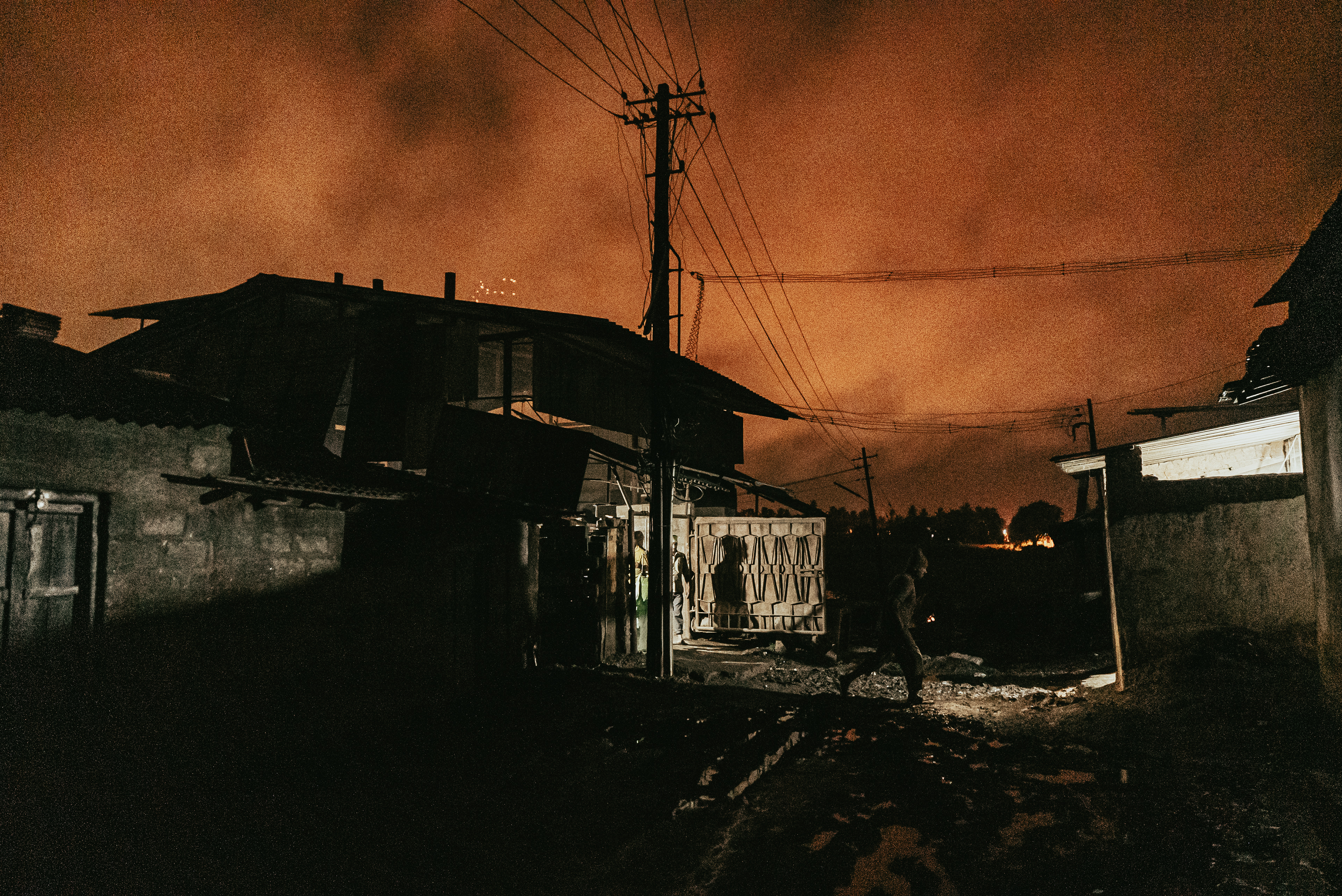
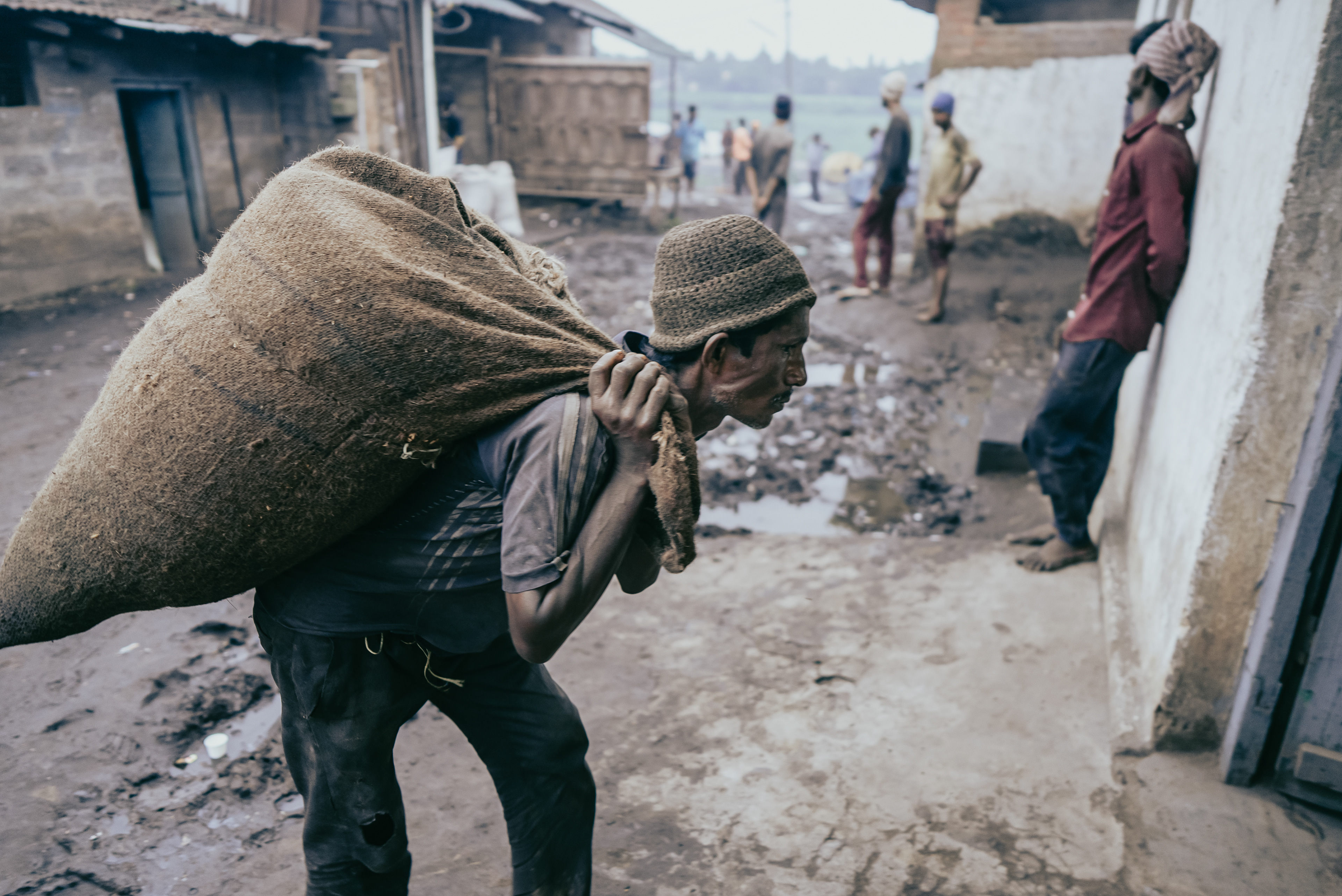
The day begins at 4:00 a.m. in open grounds dotted with small, weathered sheds on the outskirts of Dharwad in North Karnataka. In the dim pre-dawn light, the air is cool and heavy with the scent of damp earth. During the monsoon, the narrow mud road leading to the factories turns slushy and treacherous, clinging to feet and making even a short walk difficult.
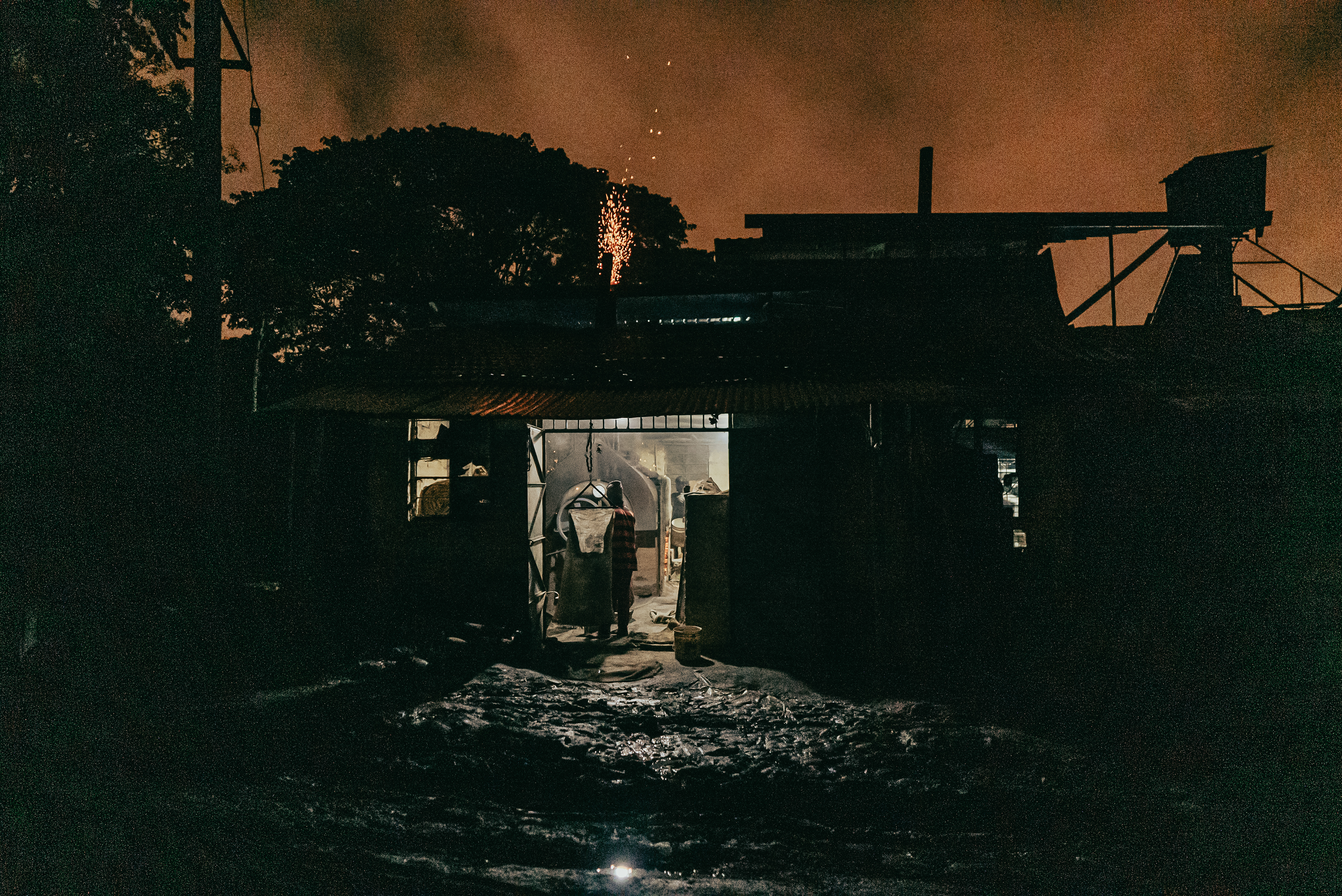
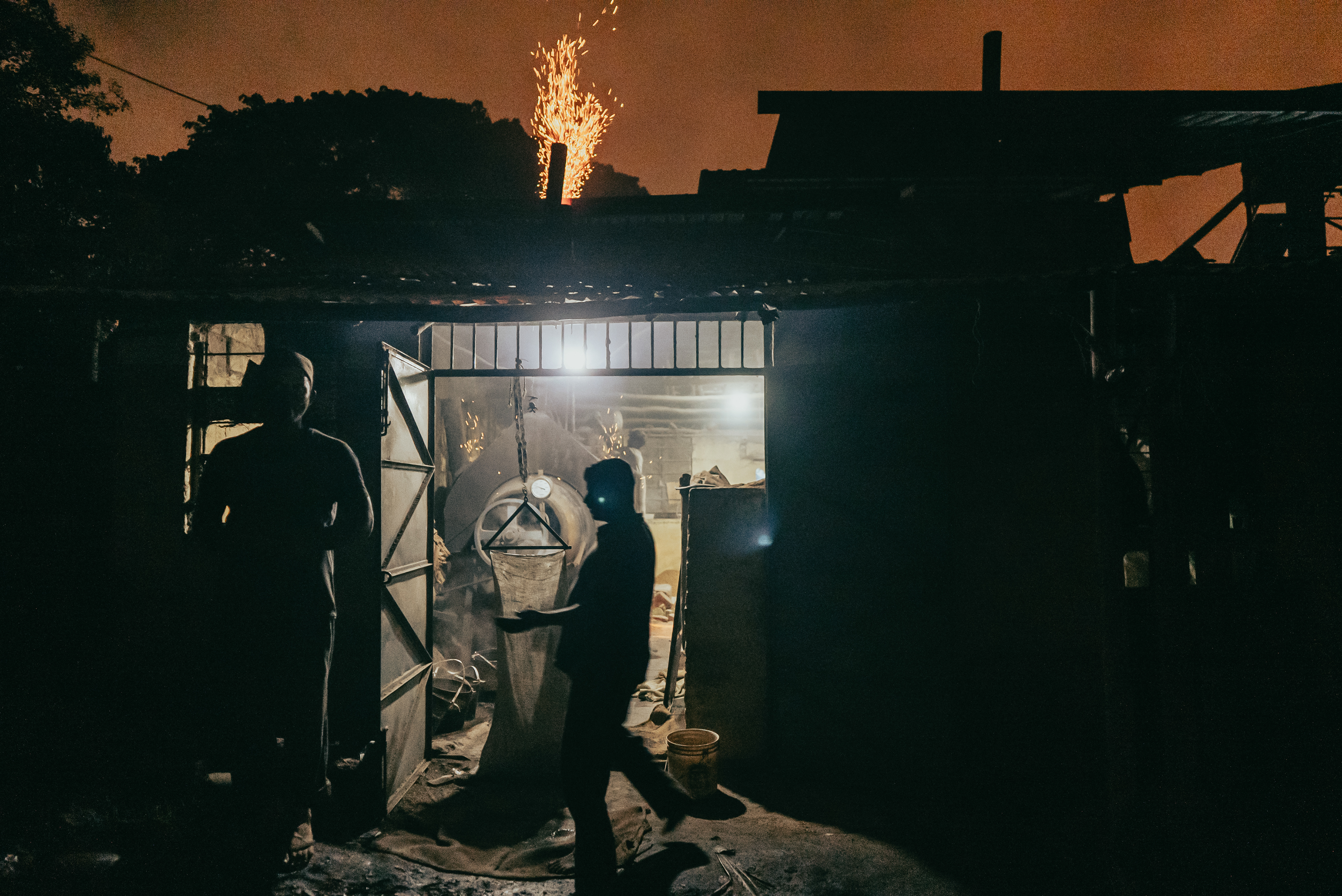
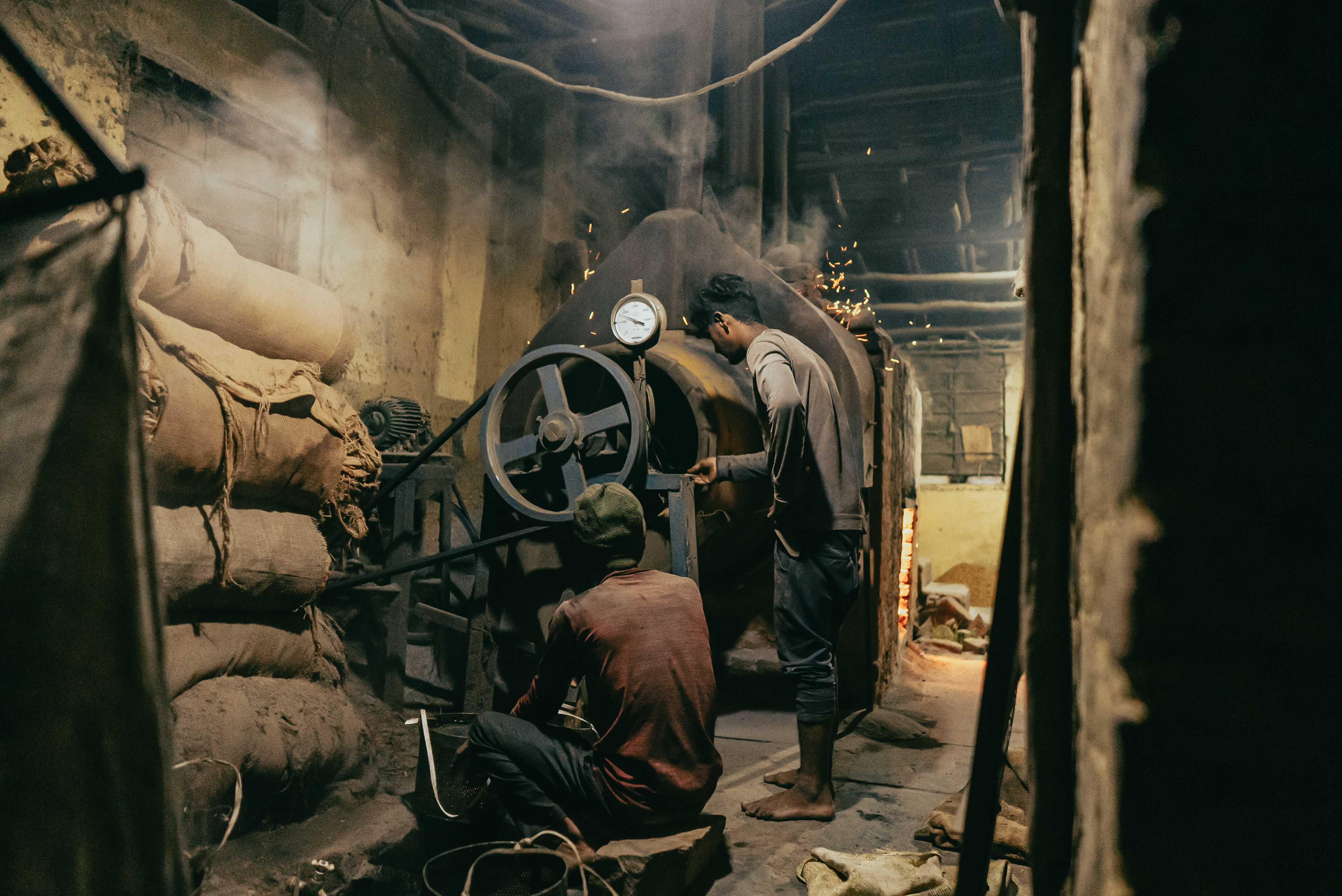
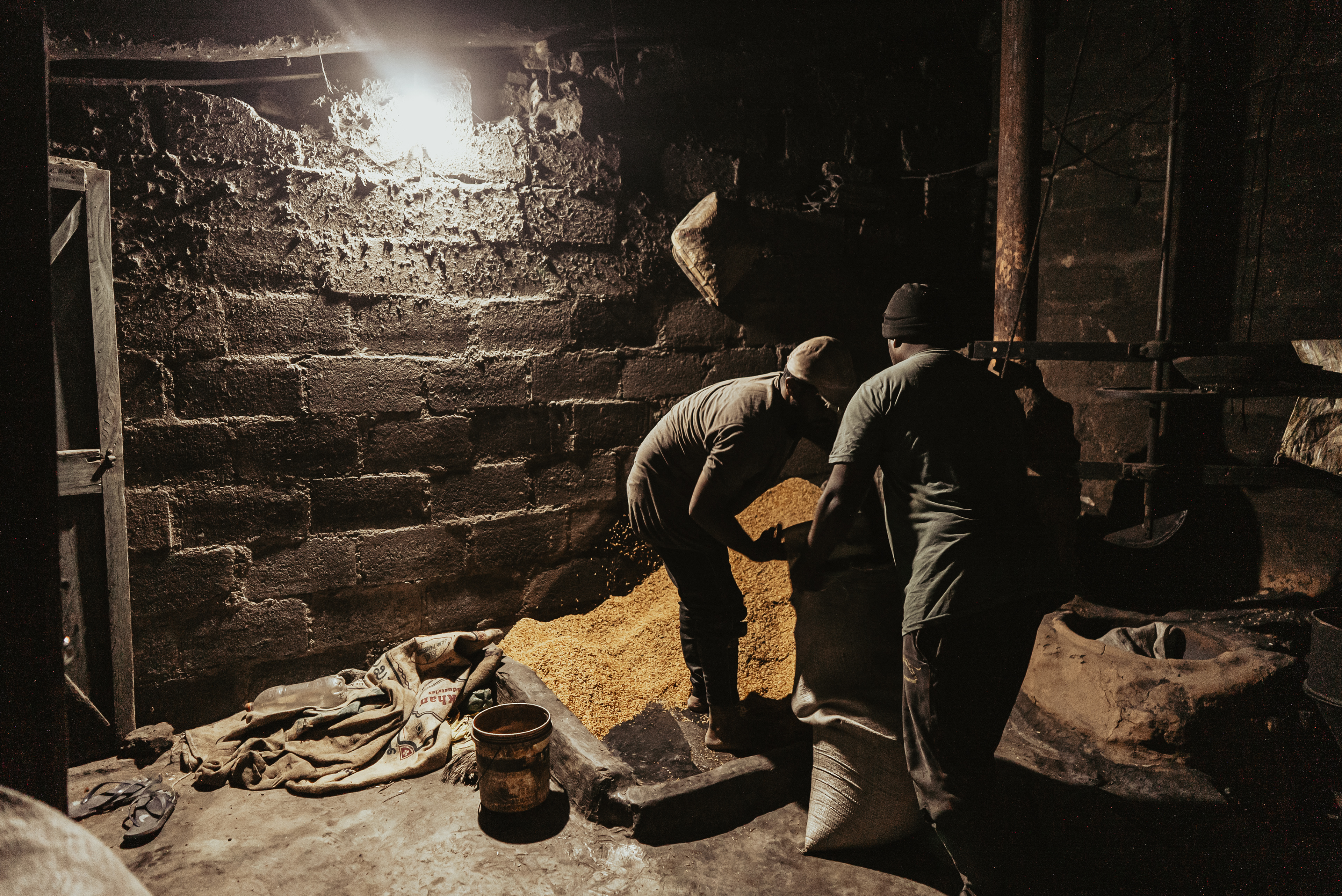
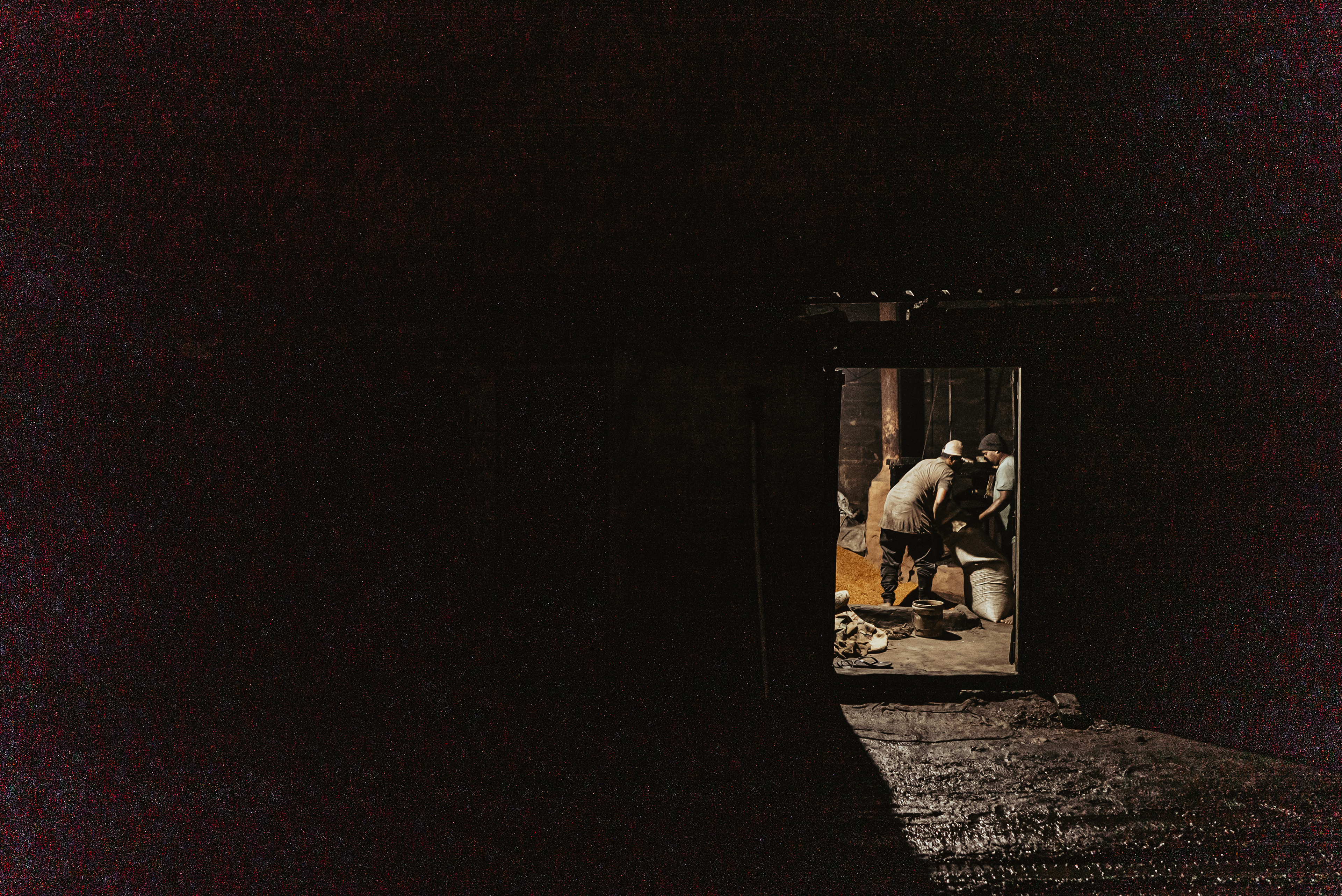
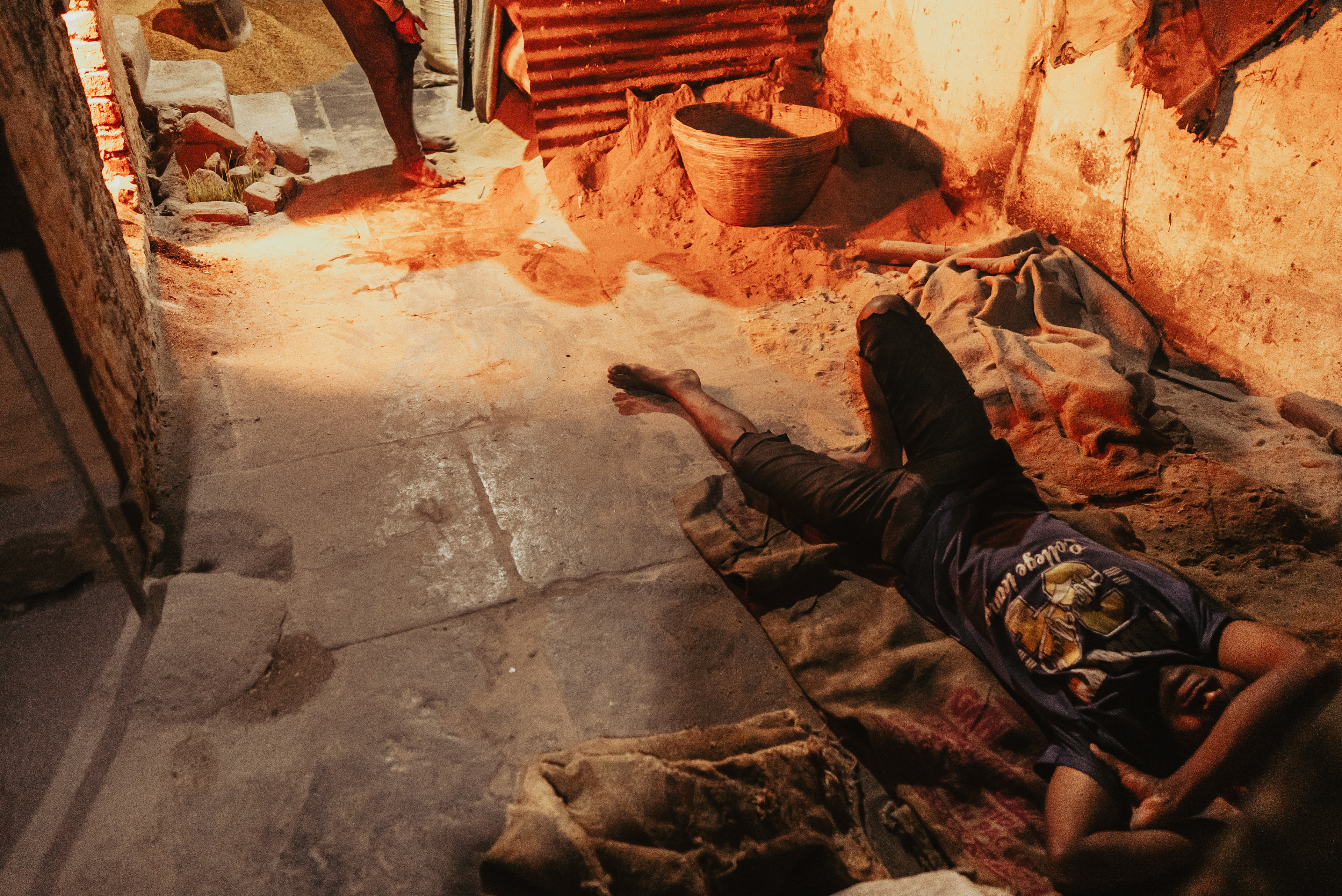
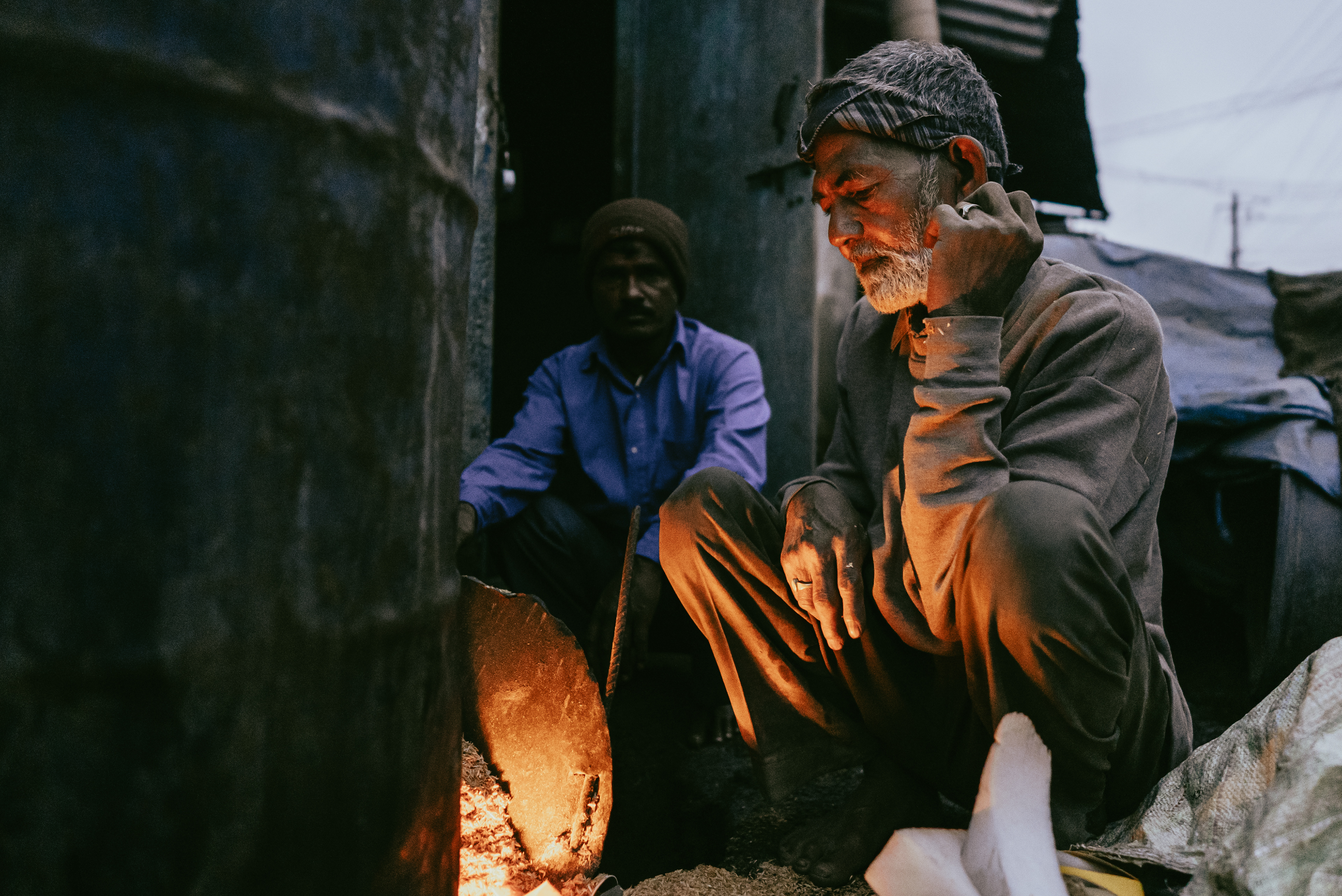
At 4:00 in the morning, the workers’ eyes are often red with fatigue. Some, having arrived even earlier, steal brief moments of rest beside the furnace, lying close to its warmth until the work gathers pace. The glow of the fire flickers across their faces as they drift in and out of sleep, rising again as the demands of the process call them back into motion.
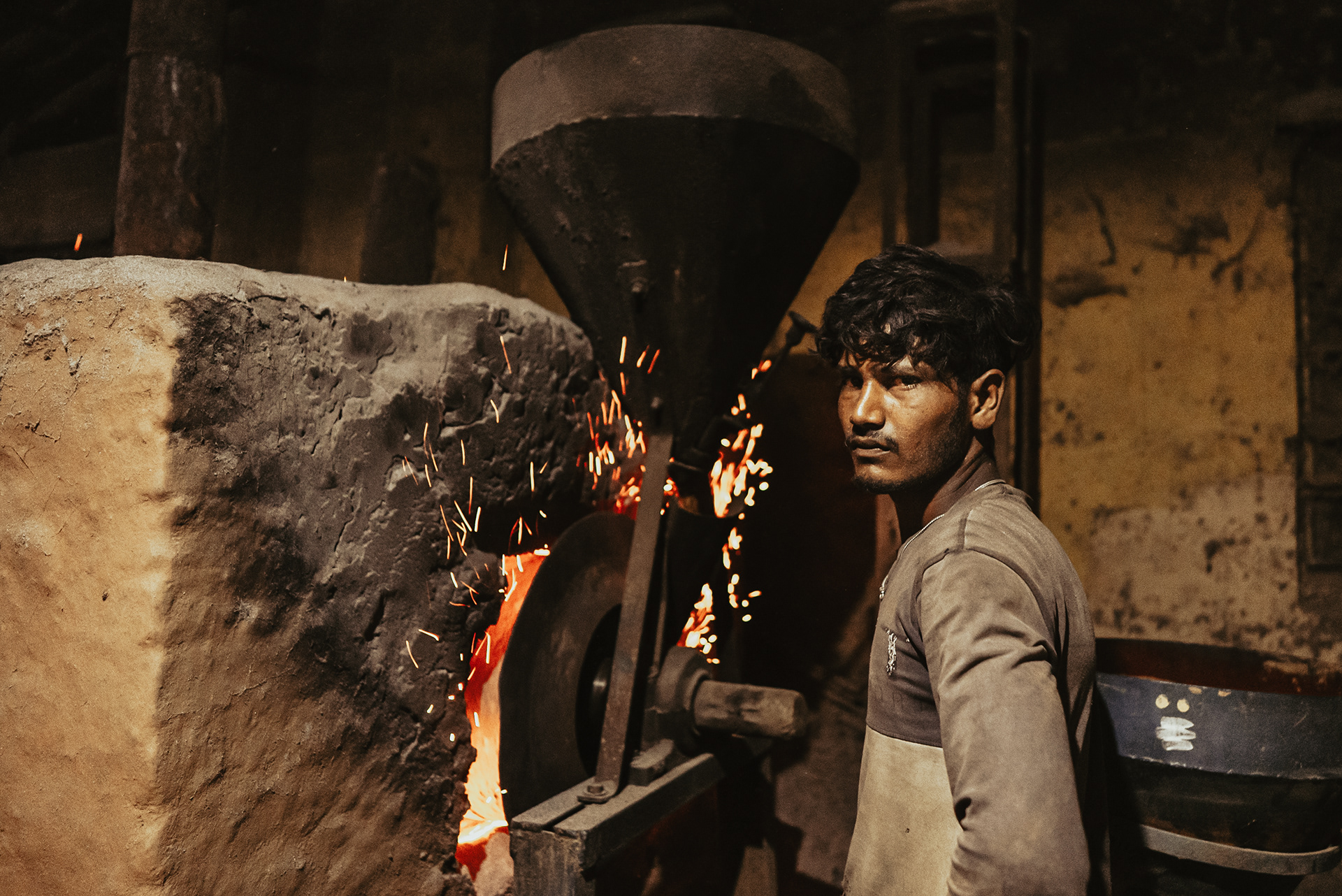
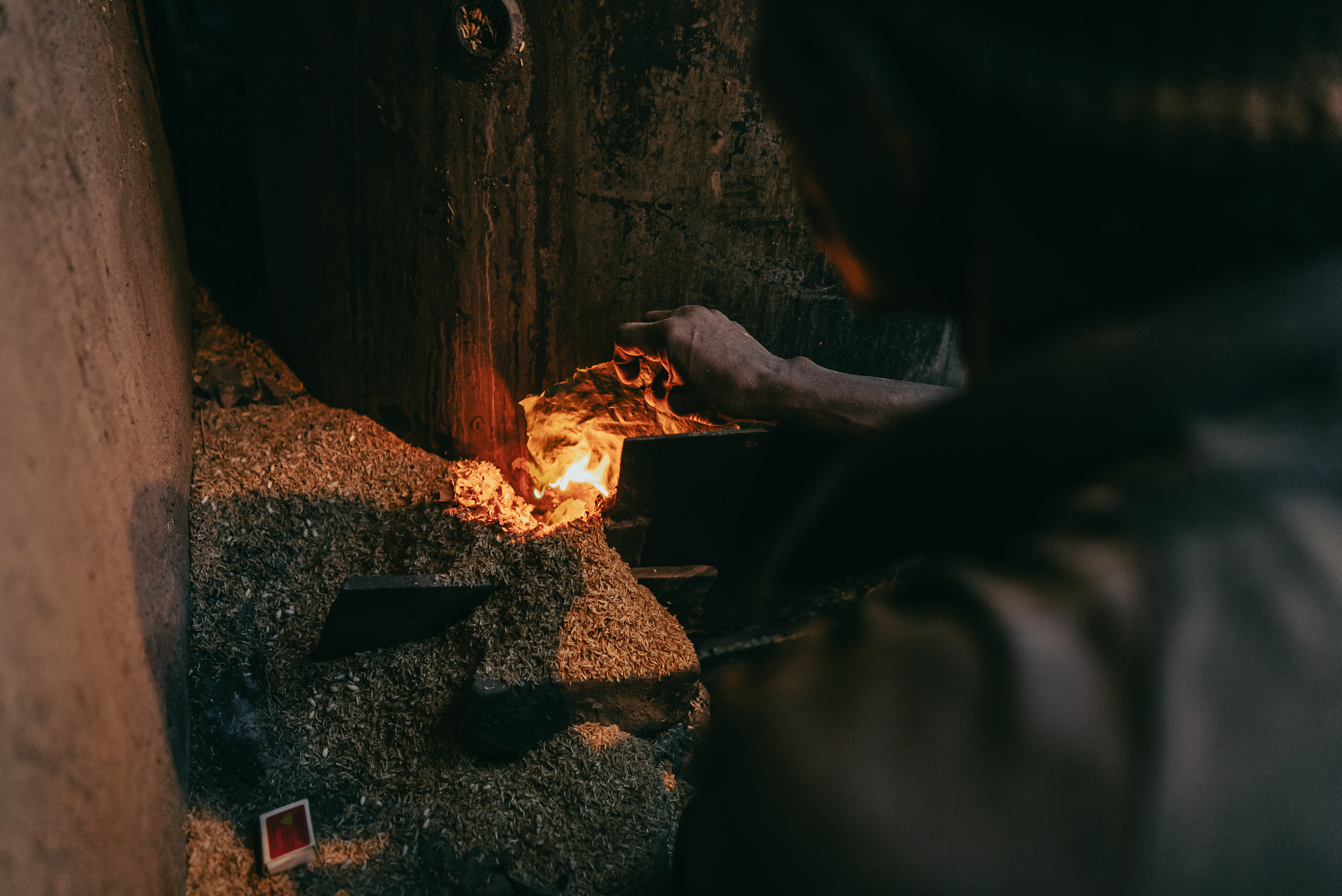
One by one, workers arrive, their silhouettes faint against the grey horizon. The silence of early morning is soon broken by the crackle of firewood and the low hum of activity. The process of making puffed rice is long and labor-intensive, demanding both patience and precision. It begins with lighting the furnace—a task that requires skill to coax the flames into a steady, controlled heat. As the fire builds, a faint warmth spreads through the otherwise chilly sheds.
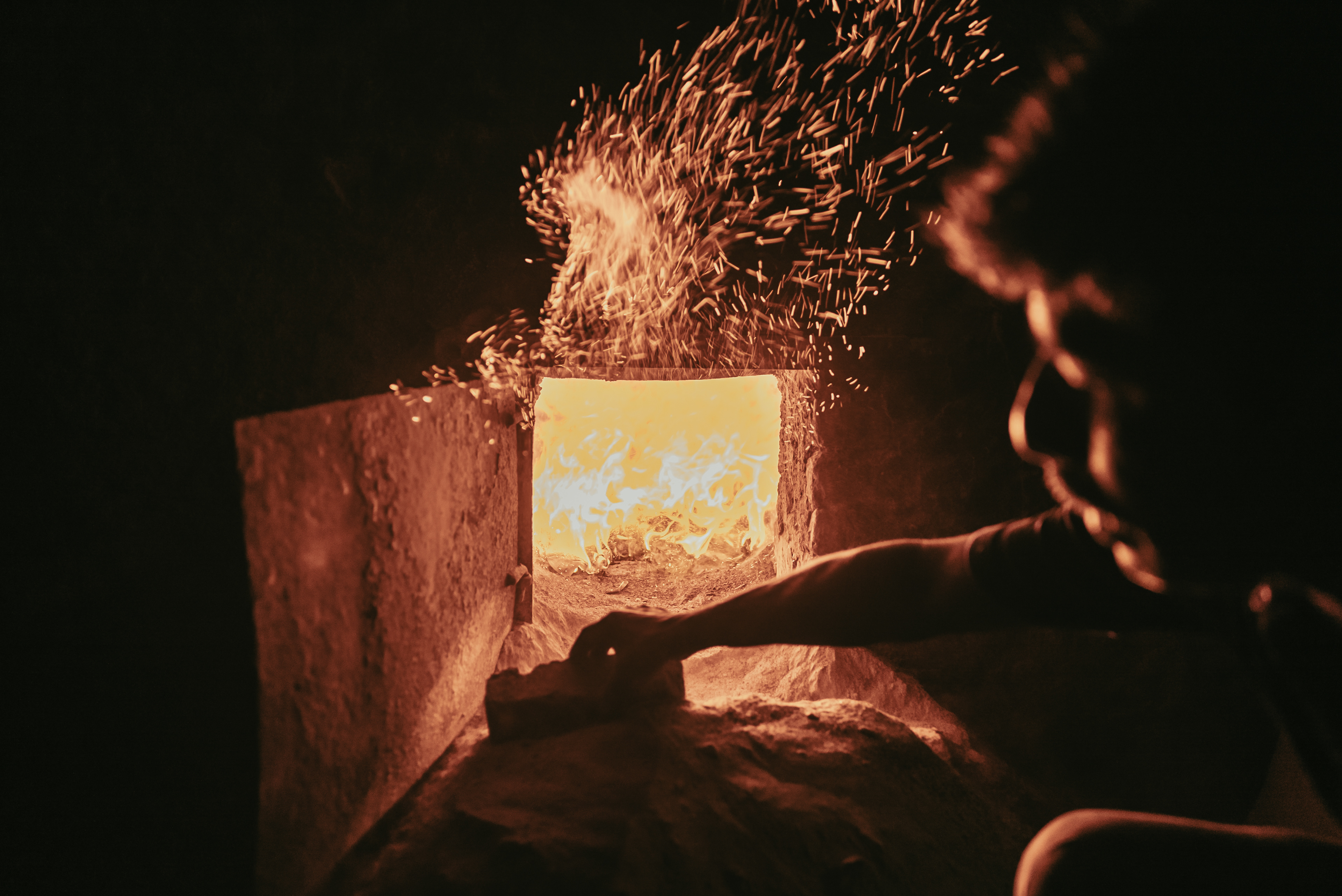
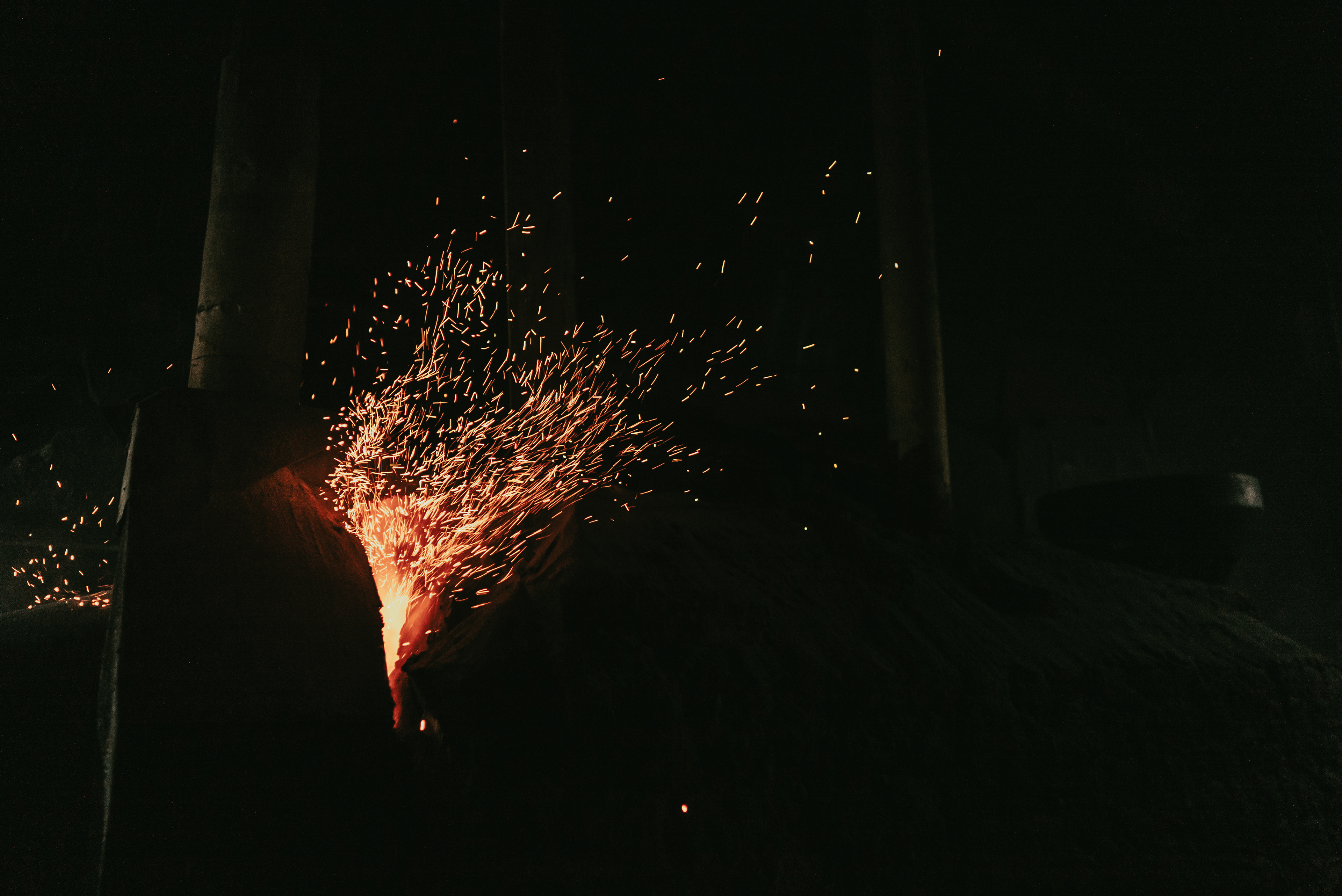
Fire plays a central role throughout the process, shaping every stage of production. From the moment the furnace is lit, maintaining the right temperature becomes the workers’ primary task—one that demands constant attention and experience. The fire must neither falter nor flare too intensely; its balance determines the quality of the final product.
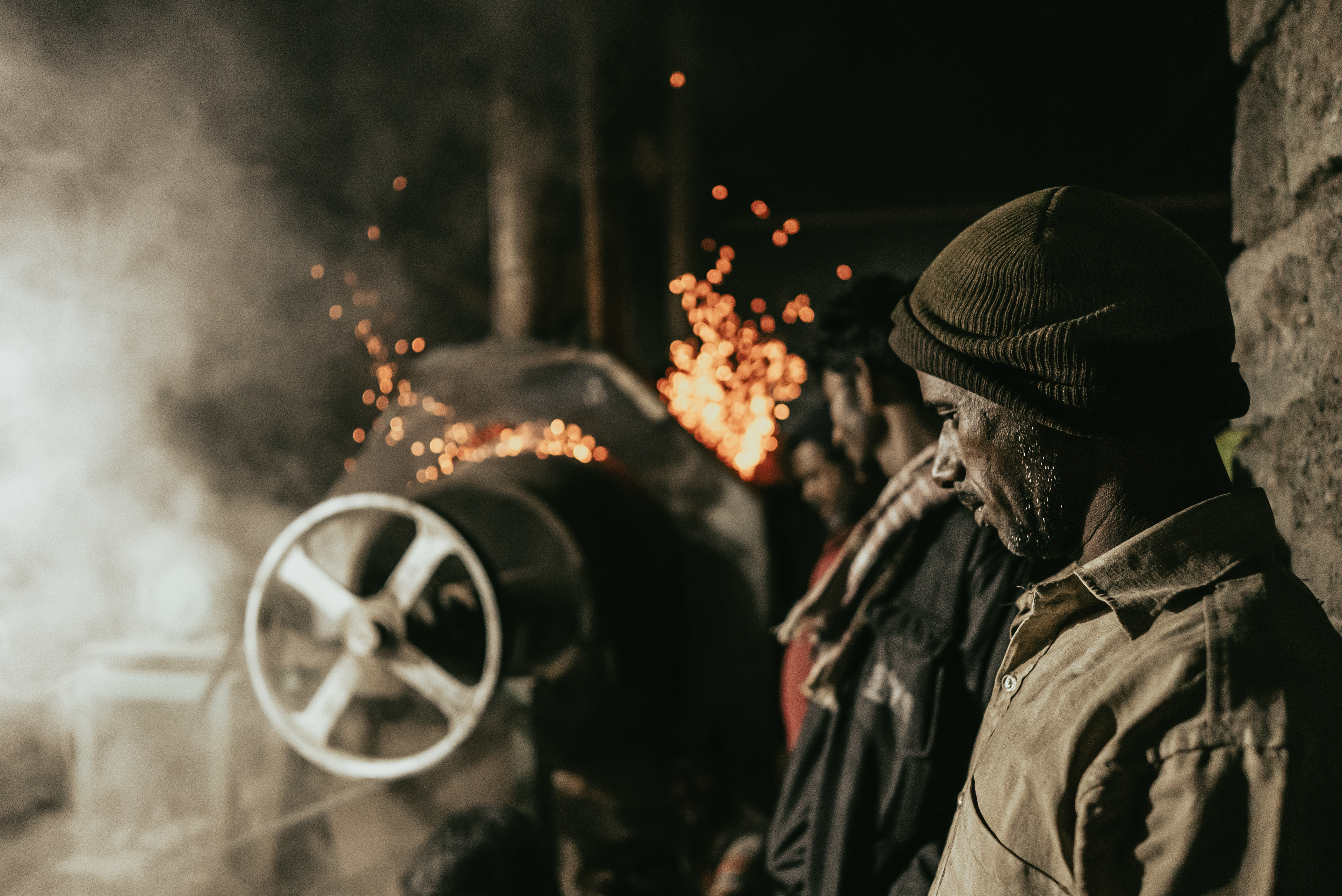
While the heat transforms soaked paddy into light, crisp puffed rice, it also poses a relentless challenge for those tending to it. As the day progresses, the furnace radiates an unyielding intensity, filling the sheds with waves of heat. Workers remain close to the flames for hours, their movements steady despite the discomfort. In this environment, fire is both an essential tool and an ever-present force to endure.
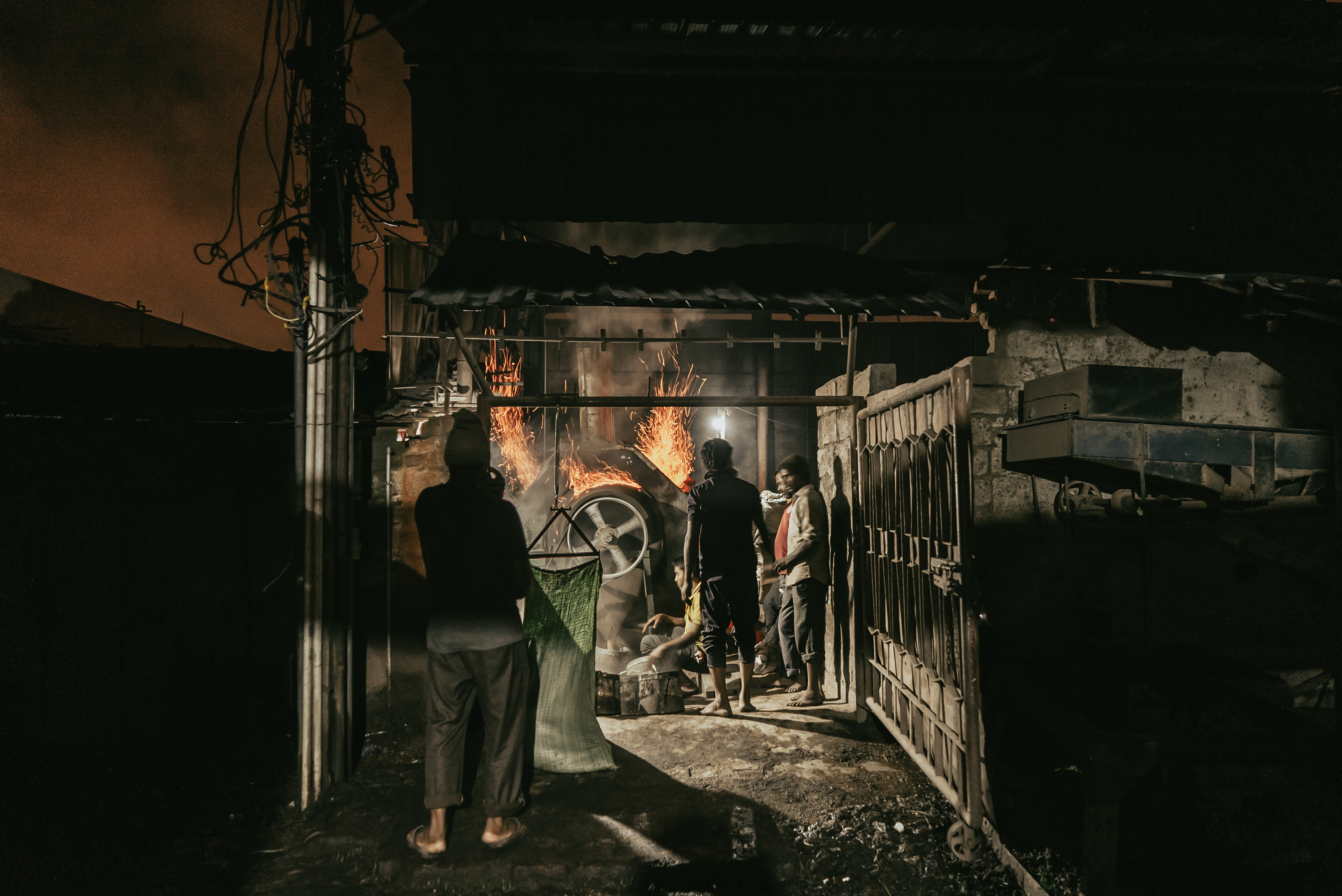
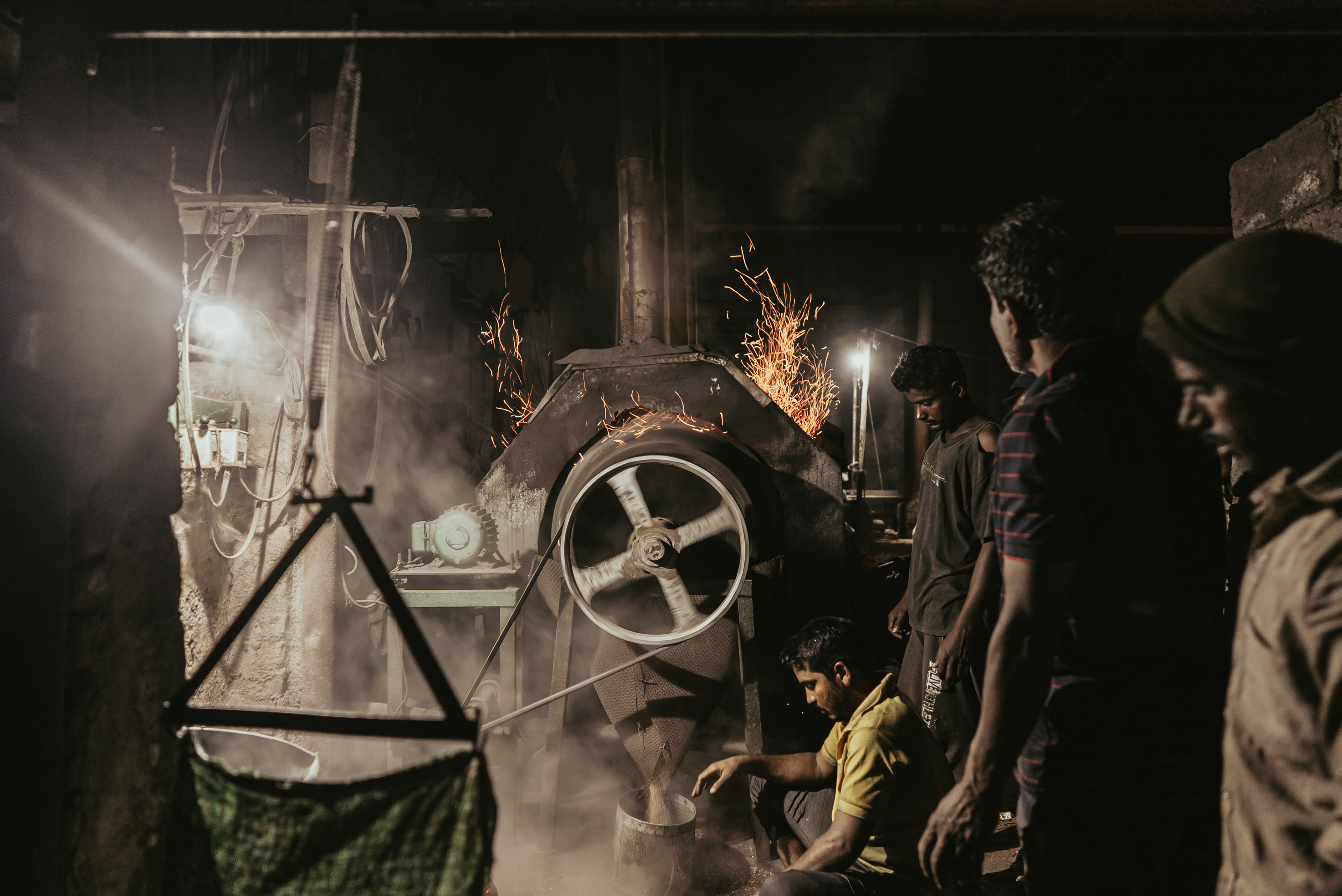
The paddy is poured into the steaming furnace and carefully pulled out at just the right moment. Once steamed, it is collected in a porous bucket and quickly dipped into cold water to halt the cooking process. This sudden cooling is crucial, preventing the grains from softening further.
The tempered paddy is then transferred into large sacks and carried to an open, flat stretch of land. There, it is spread out by hand in thin layers, allowing it to cool completely and dry under the open air. Workers move steadily across the ground, turning and loosening the grains to ensure even drying, preparing them for the next stage of transformation.
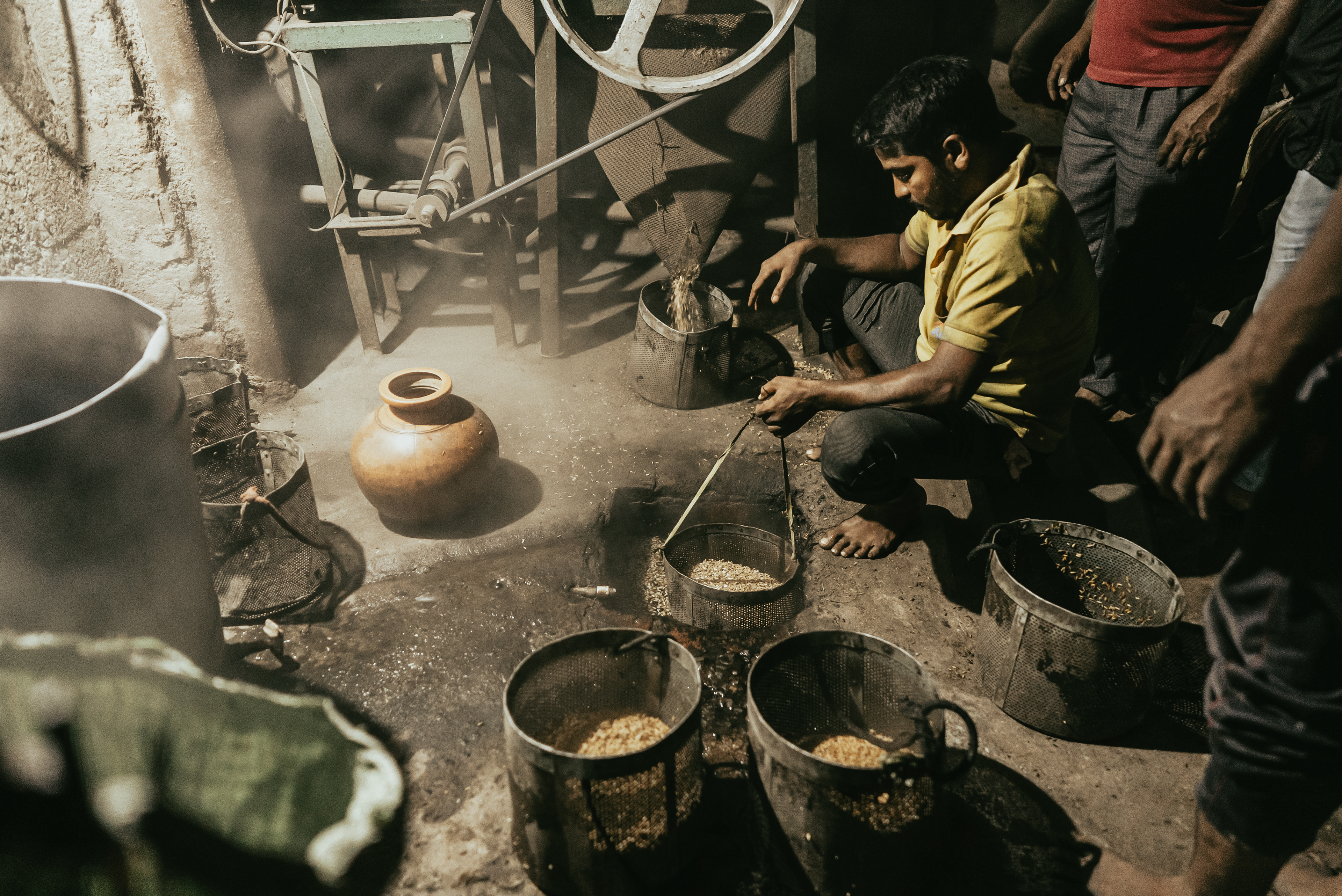
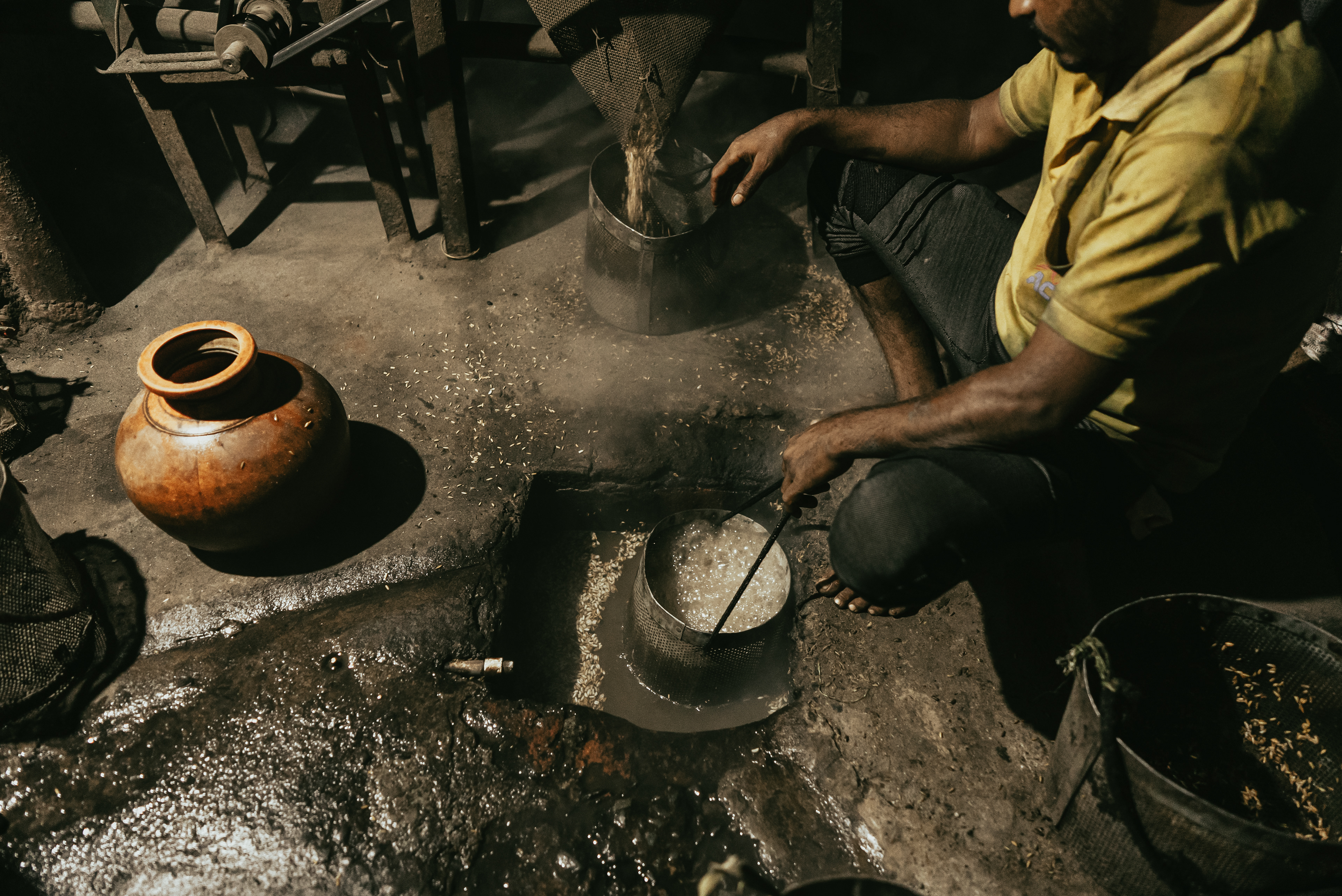
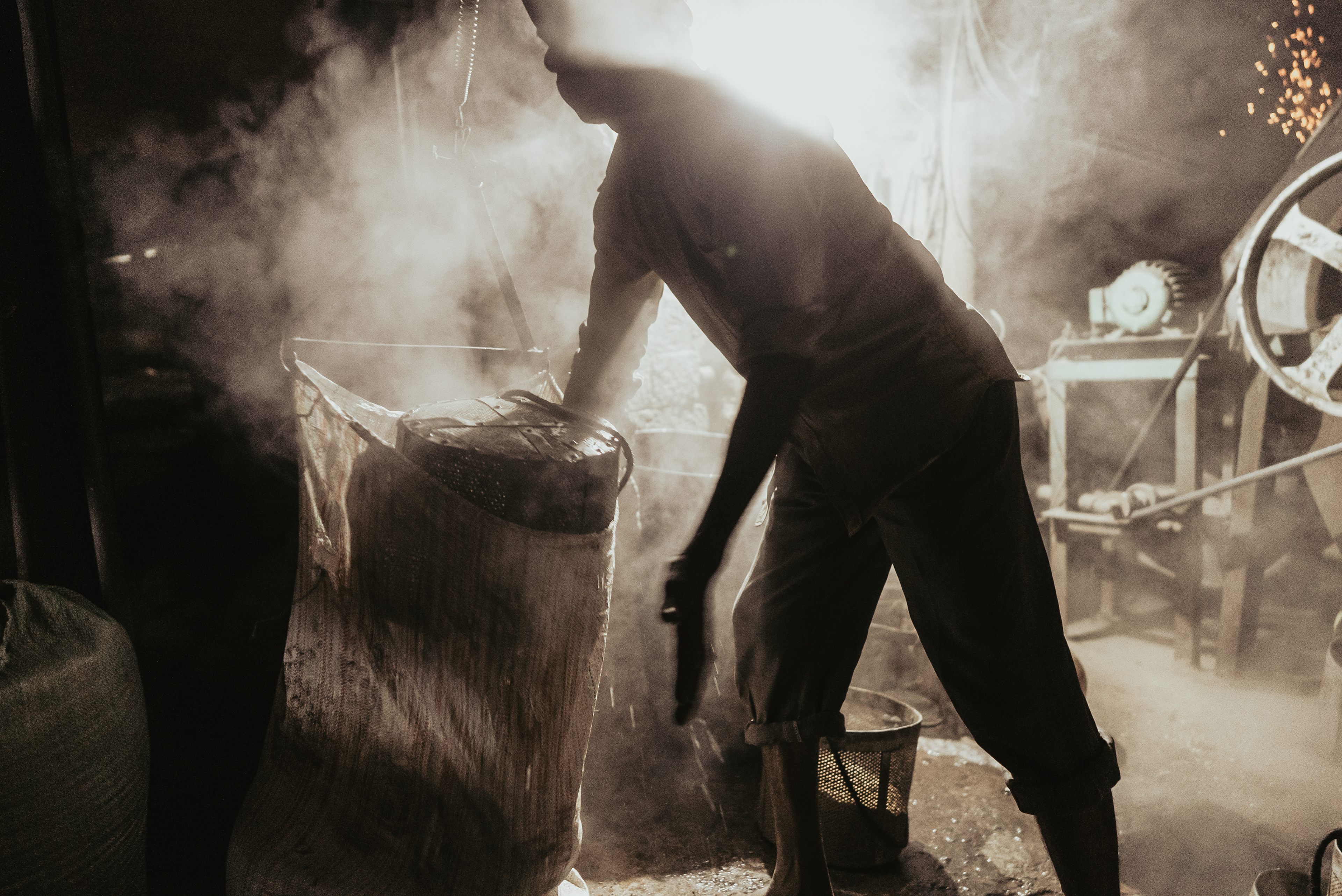
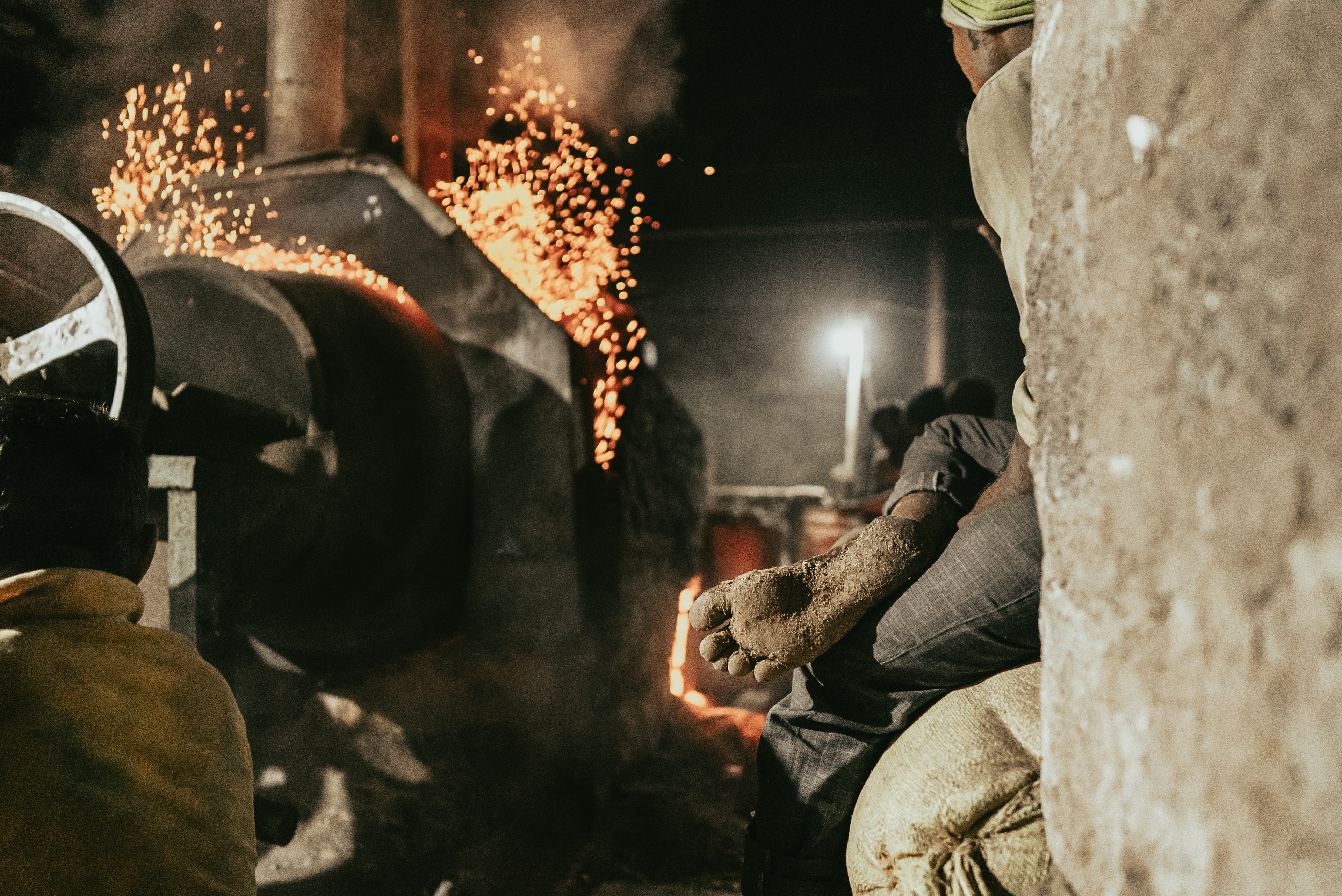
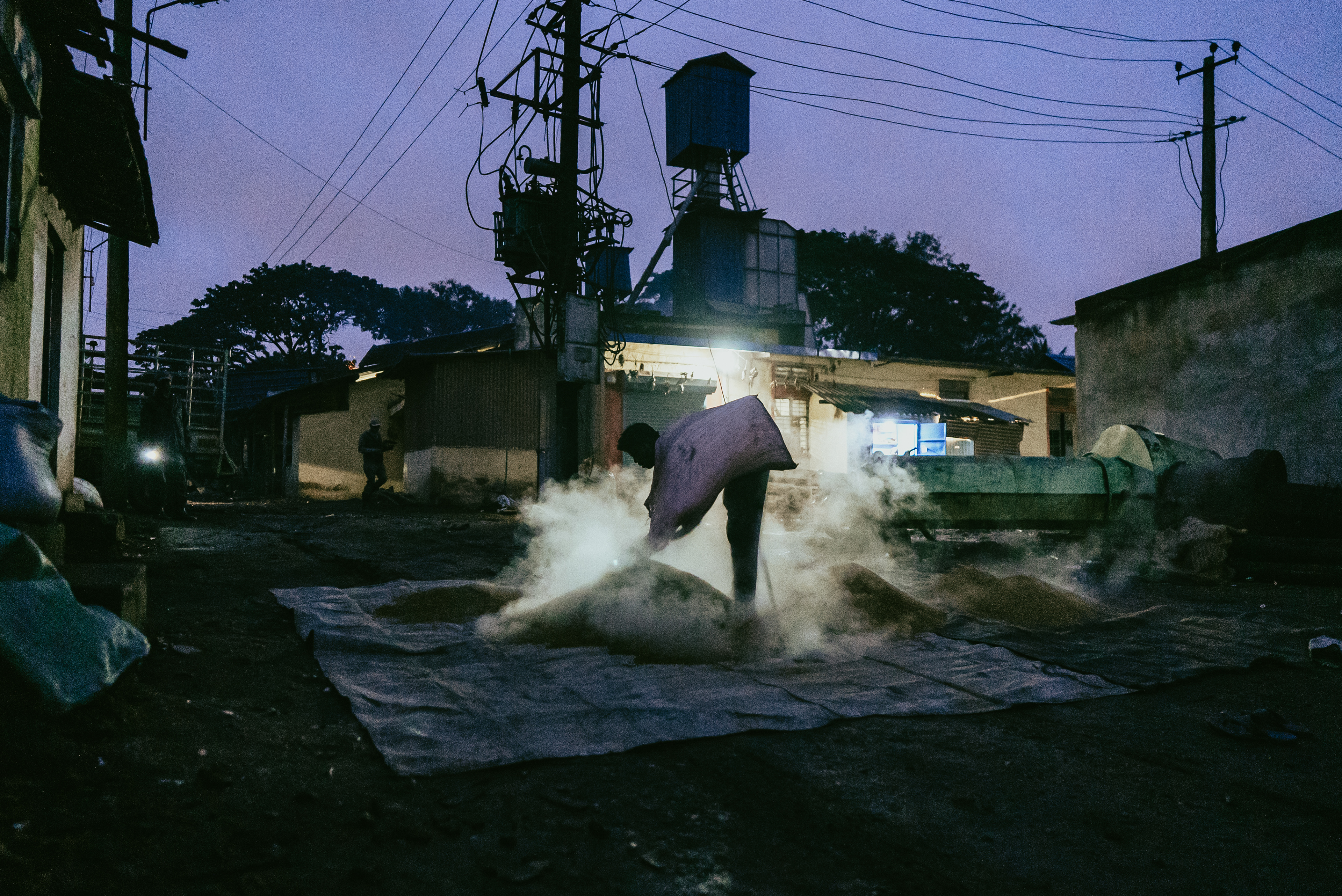
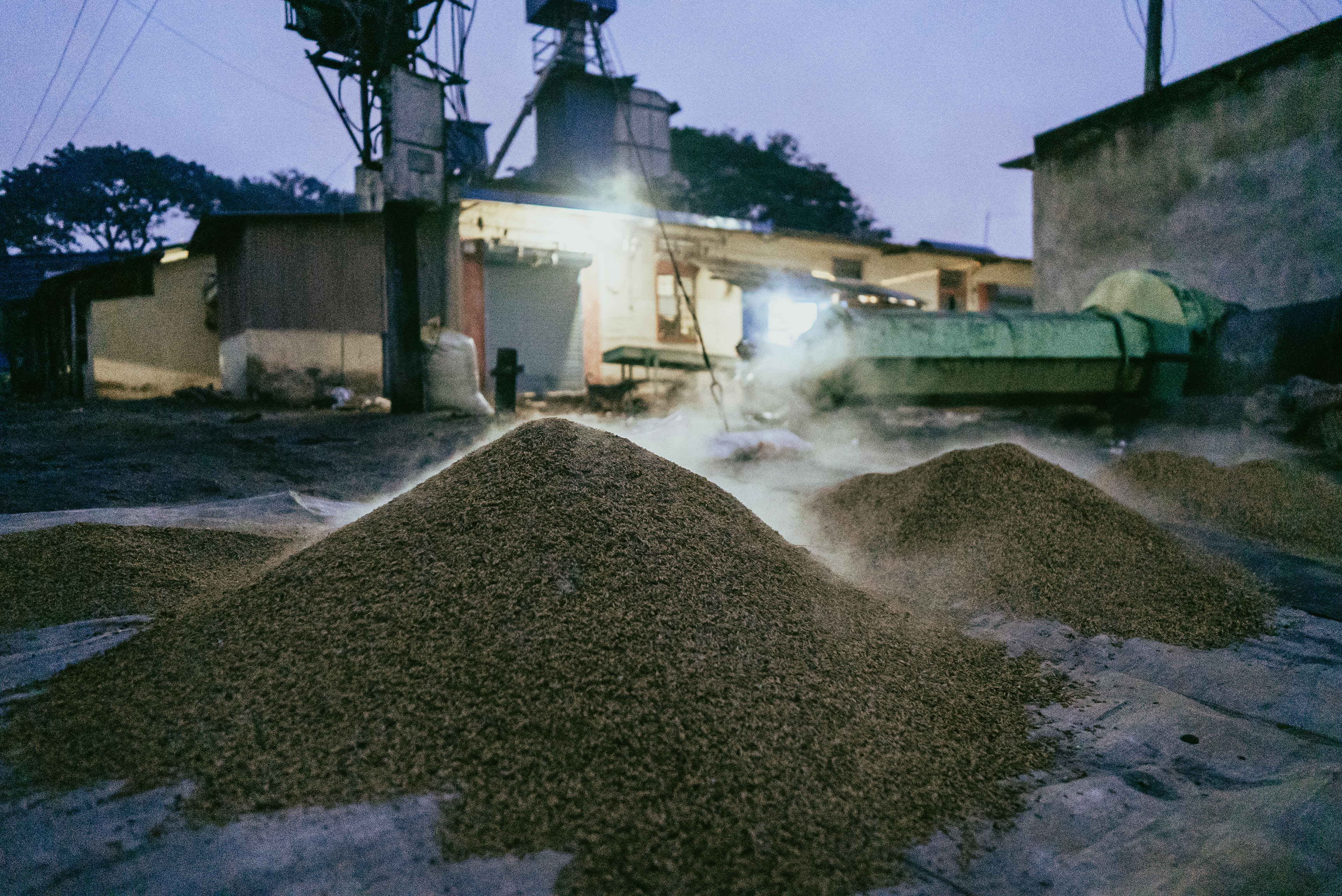
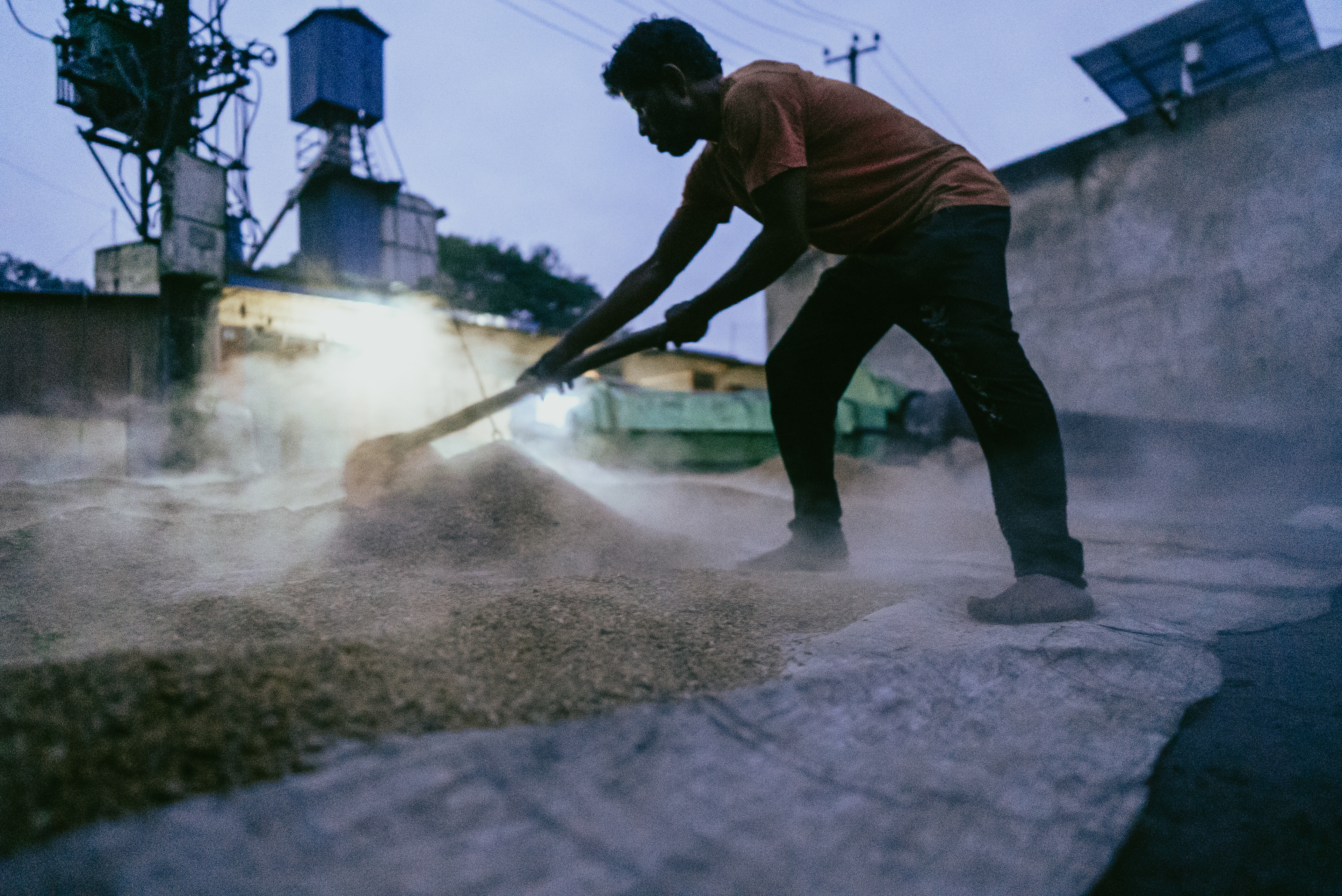
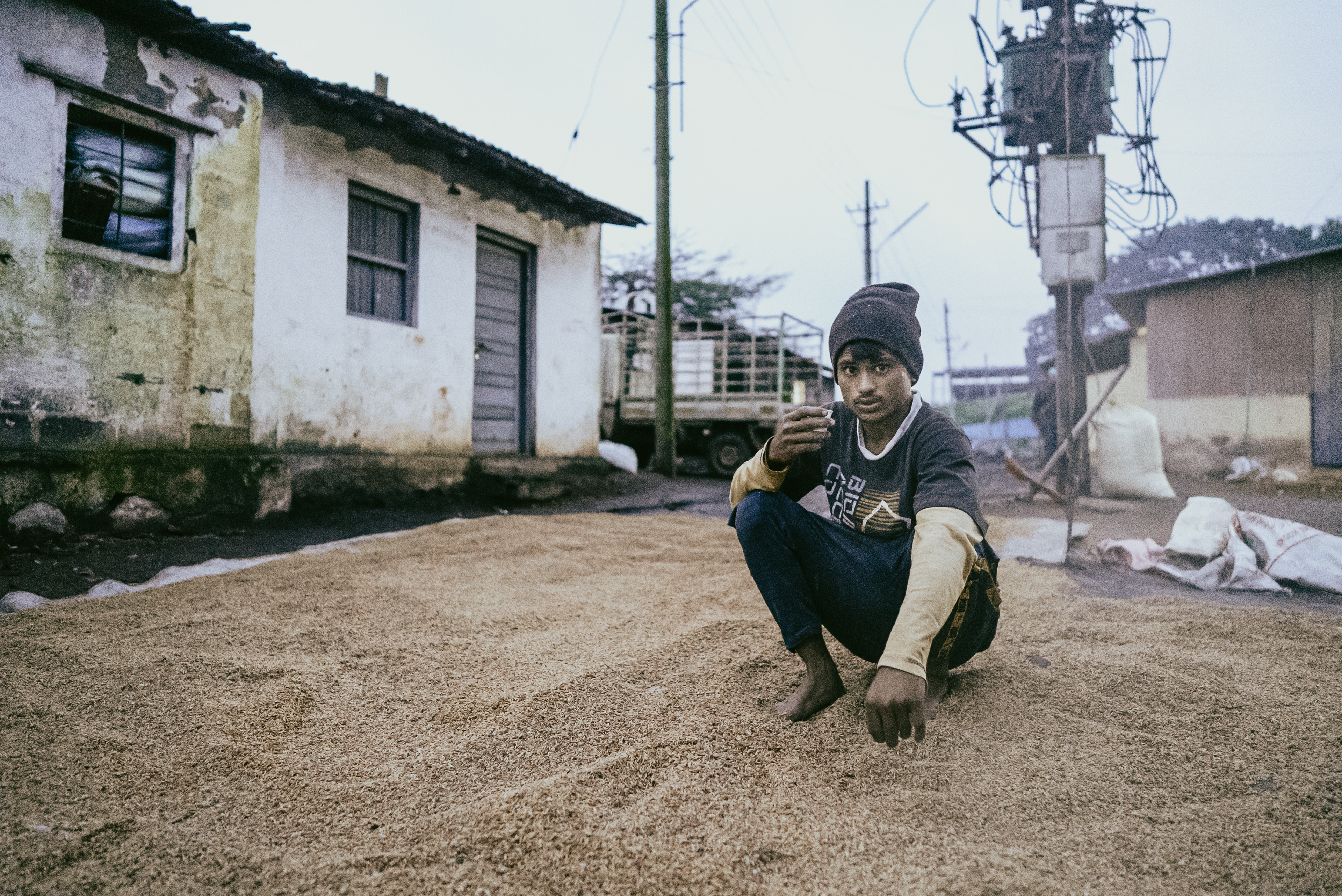
As the soaked paddy from one batch moves through the process, the vats are refilled with fresh water and brought back to heat. Without pause, a new batch of paddy is poured in, beginning its overnight soak in preparation for the next day’s work.
The dried husk, separated during dehusking, is not discarded. Instead, it is gathered and used as fuel to heat the vats of water. Fed back into the furnace, it burns steadily, sustaining the fire needed for soaking and steaming the next batch.
In this way, the process becomes cyclical and self-sustaining. Even as one batch is being dried, dehusked, or puffed, the groundwork for the next is already underway. What is removed from the grain returns as energy, keeping the system in motion and ensuring that the rhythm of production continues without interruption.
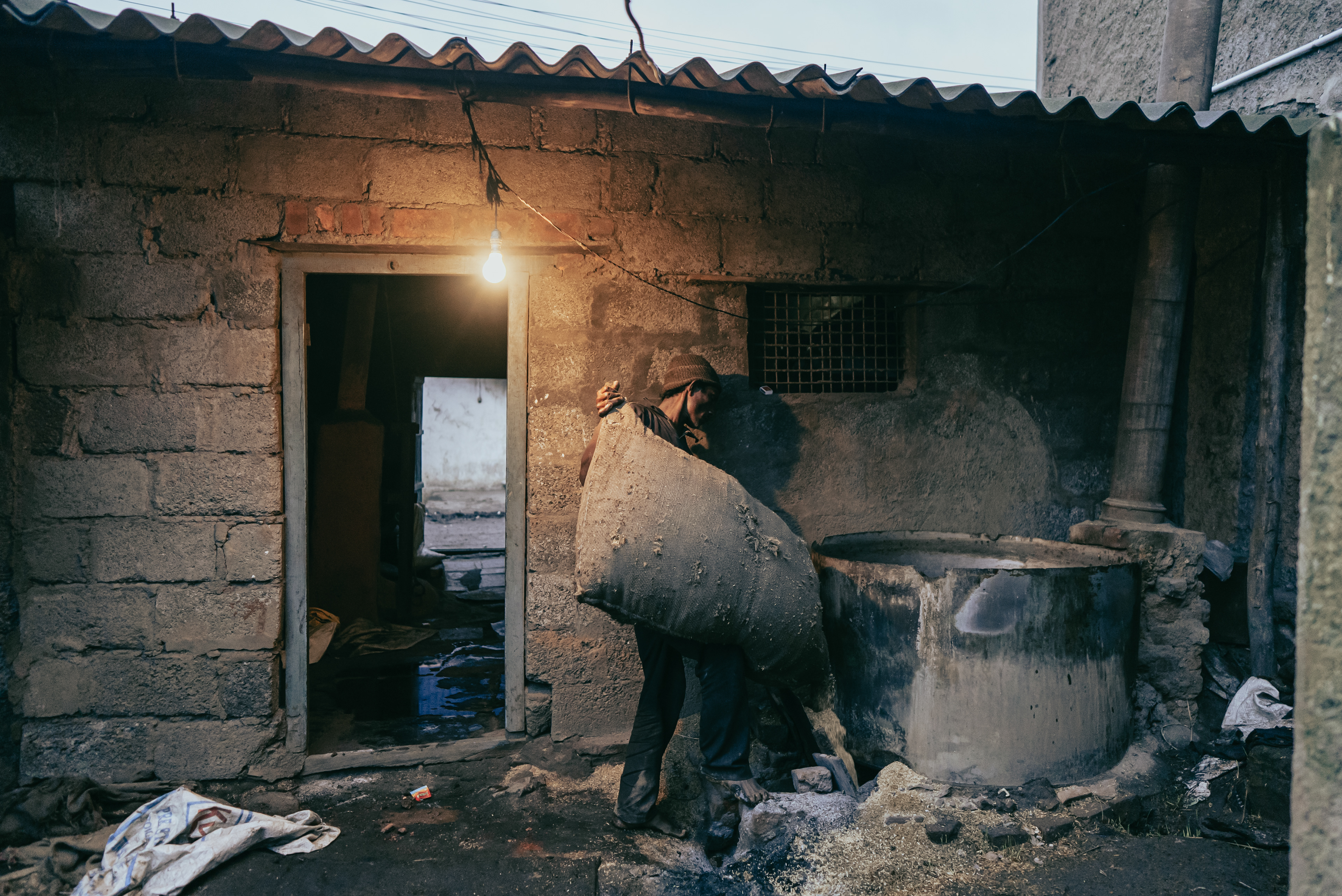
By now, it is around 7:00 a.m., and the workers prepare for the next stage of the process. The dried paddy is taken to the de-husking machine, where the outer husk is carefully removed. This stage requires an experienced eye and touch, as the grains must be monitored closely to ensure that just the right amount of husk is stripped away without damaging the rice inside.
As the process unfolds, the rice begins to emerge—partially cooked and firm, yet ready for its final transformation. At this stage, the grains are prepared for puffing, carrying within them the precise balance of moisture and heat needed to expand into crisp, airy rice.
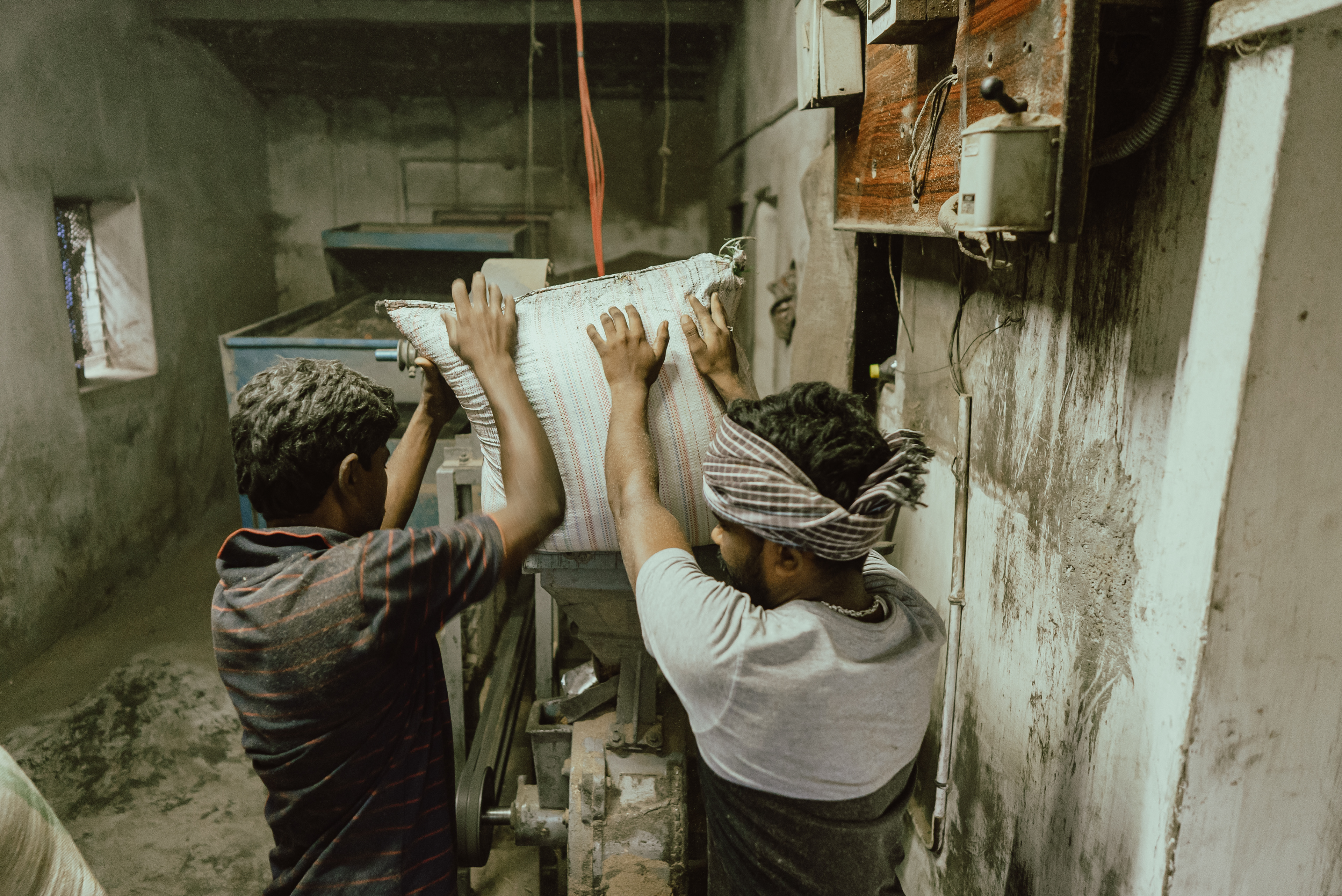
Dehusking the paddy marks a crucial transition in the process, where the grain begins to reveal its final form. The dried paddy is fed into a de-husking machine, its steady mechanical rhythm cutting through the otherwise earthy sounds of the workspace. As the grains pass through, the tough outer husk is loosened and stripped away.
This stage demands careful supervision. Experienced workers stand close by, watching and listening as the machine runs, using both sight and touch to judge the process. Too much pressure can break the grain; too little leaves the husk intact. It is a balance learned over years, guided less by instruments and more by instinct.
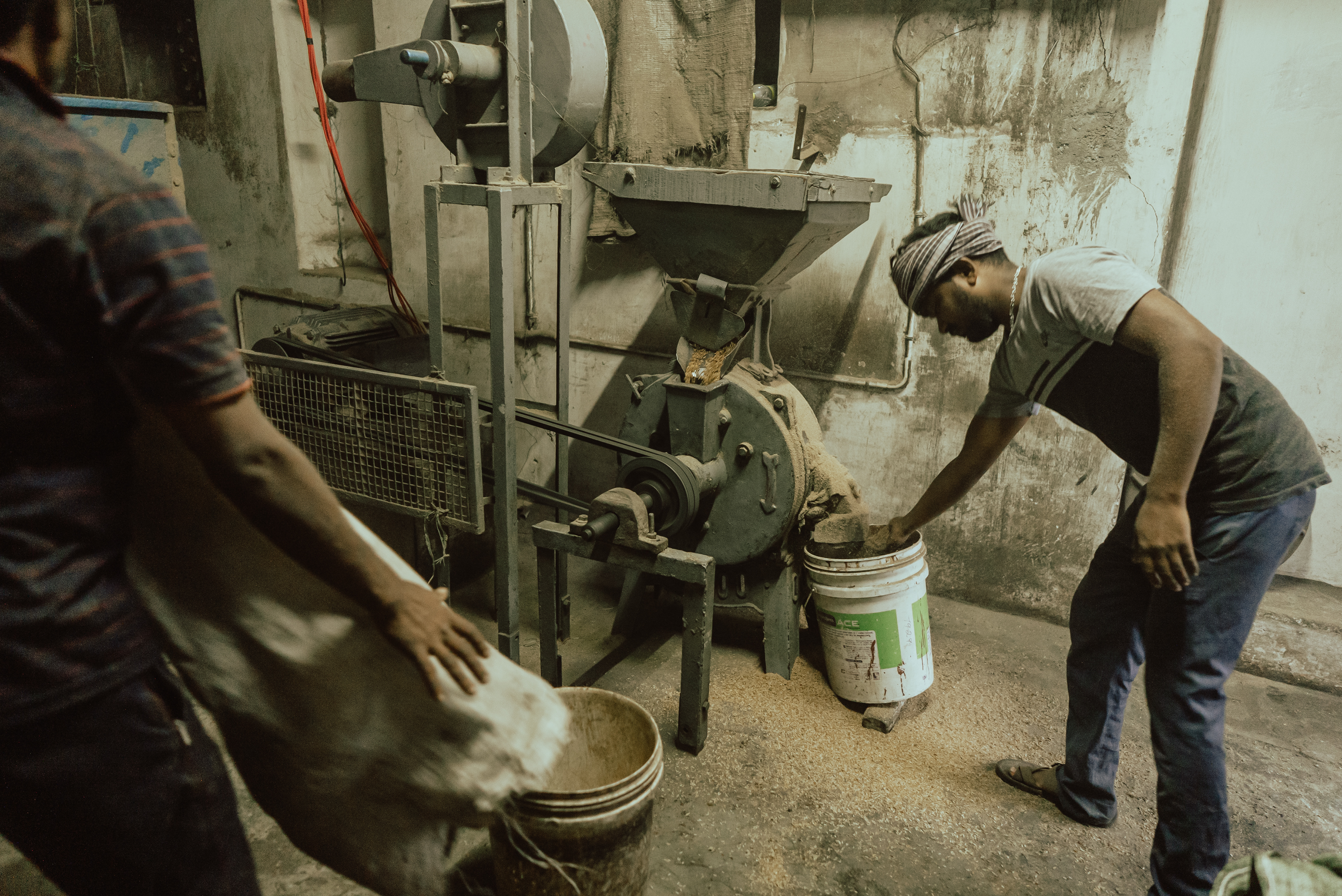
As the husk separates, a transformation becomes visible—the pale rice emerges from within its rough casing. The grains at this stage are firm and partially cooked, carrying the memory of soaking, steaming, and drying. Workers sift through the output, feeling the texture, checking the finish, ensuring that each batch meets the right standard.
The removed husk gathers in light piles to one side, while the cleaned rice is collected carefully, ready for the final stage of puffing. In this moment, the process shifts from preparation to culmination, as the grain, now exposed and conditioned, stands on the threshold of becoming puffed rice.
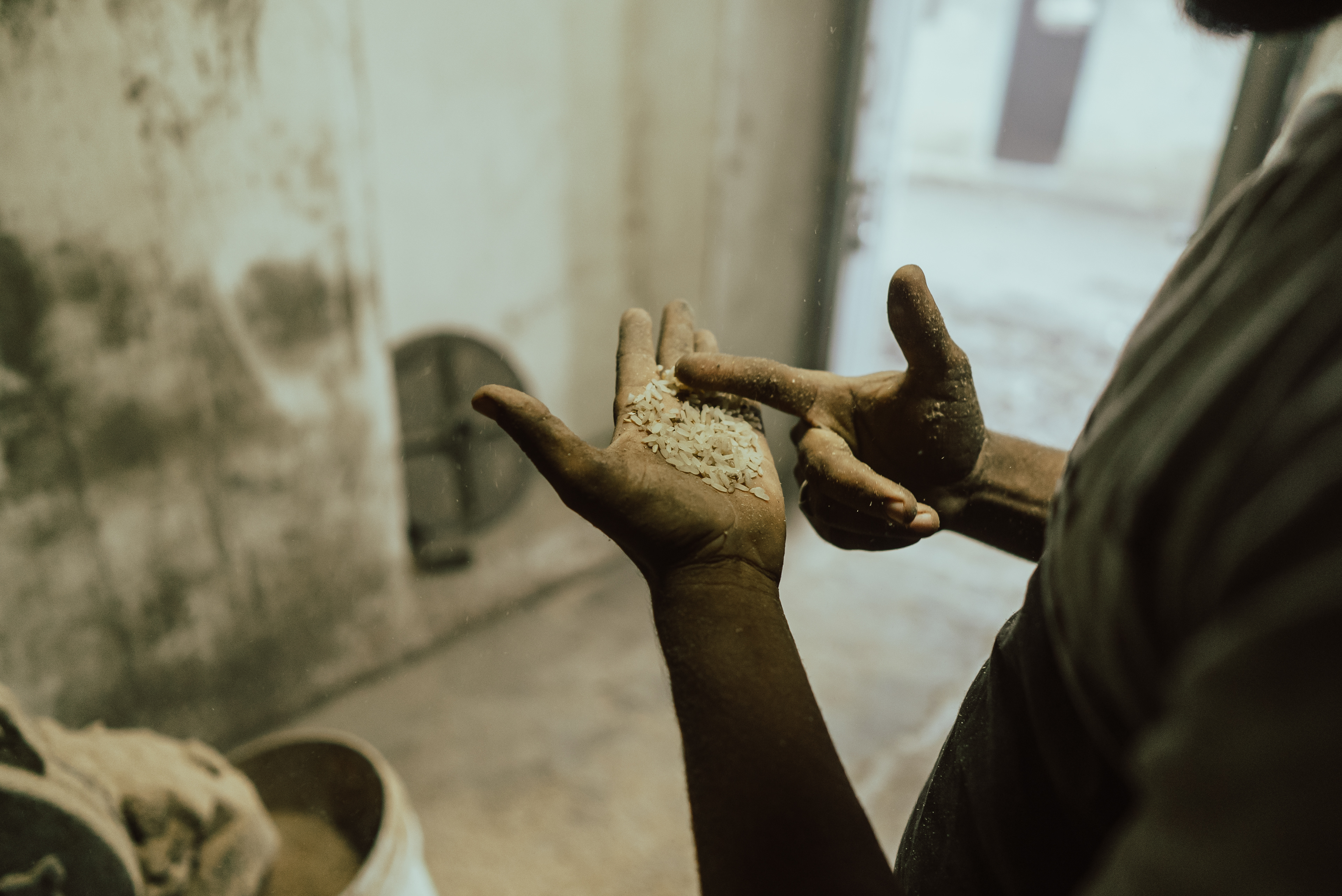
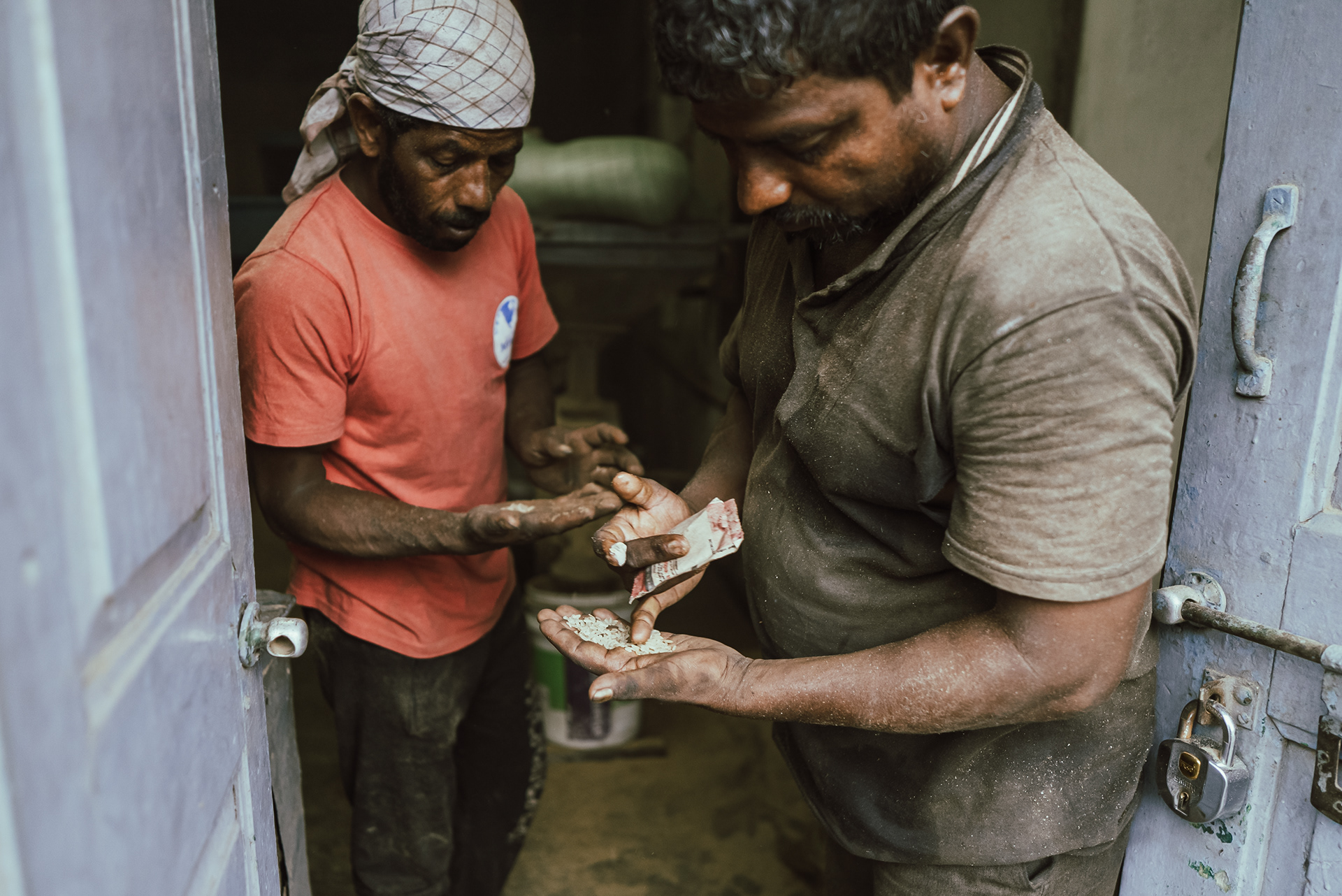
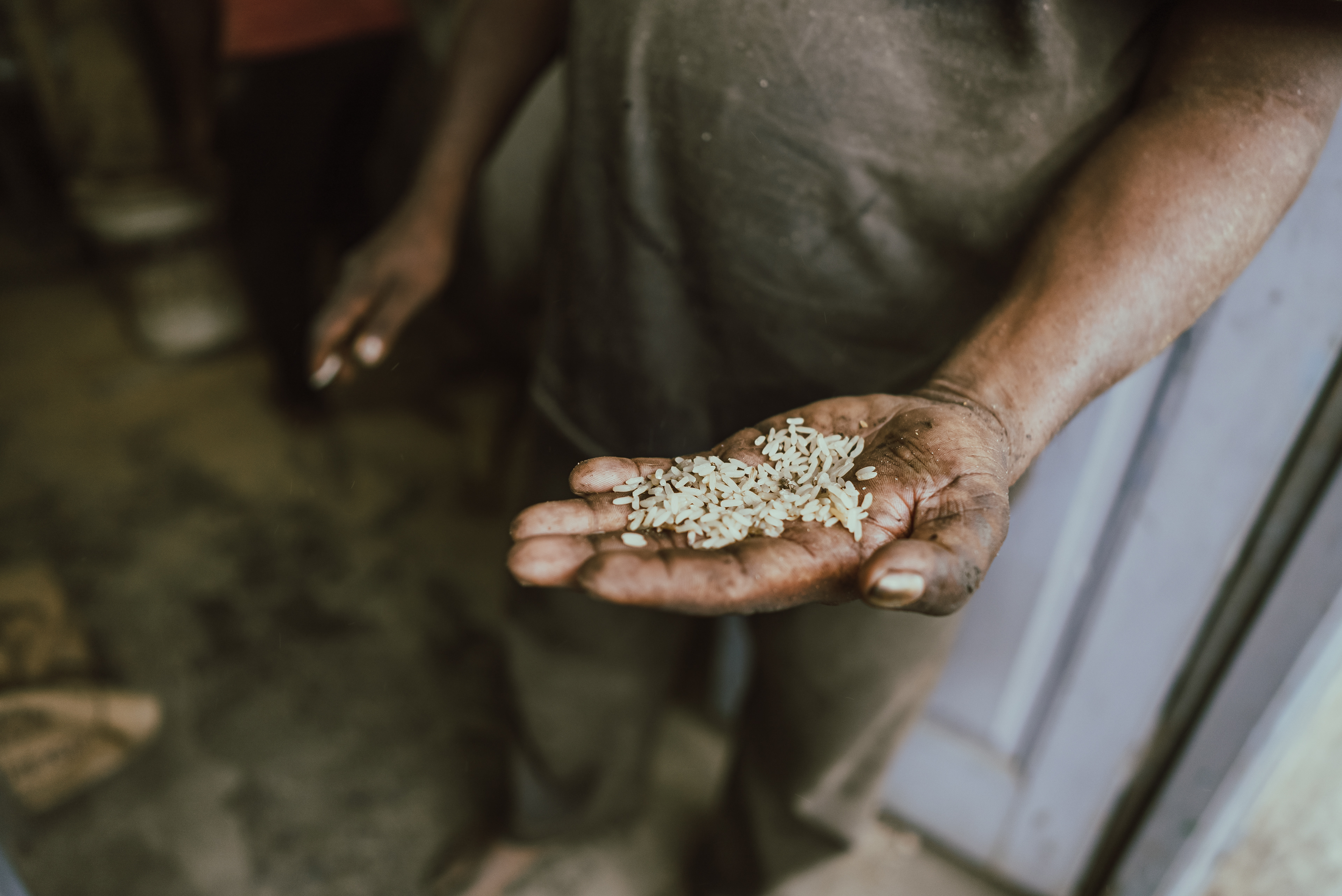
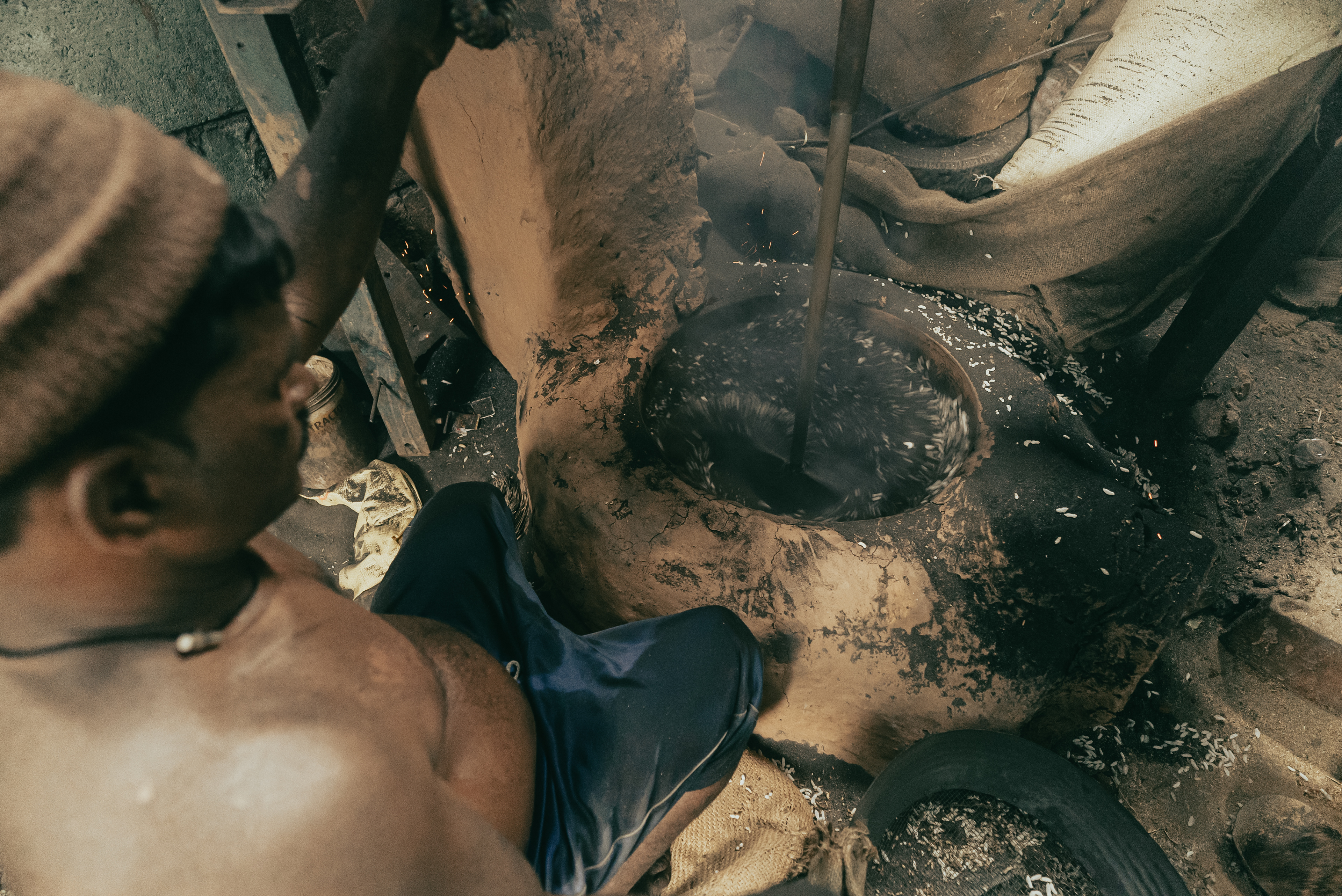
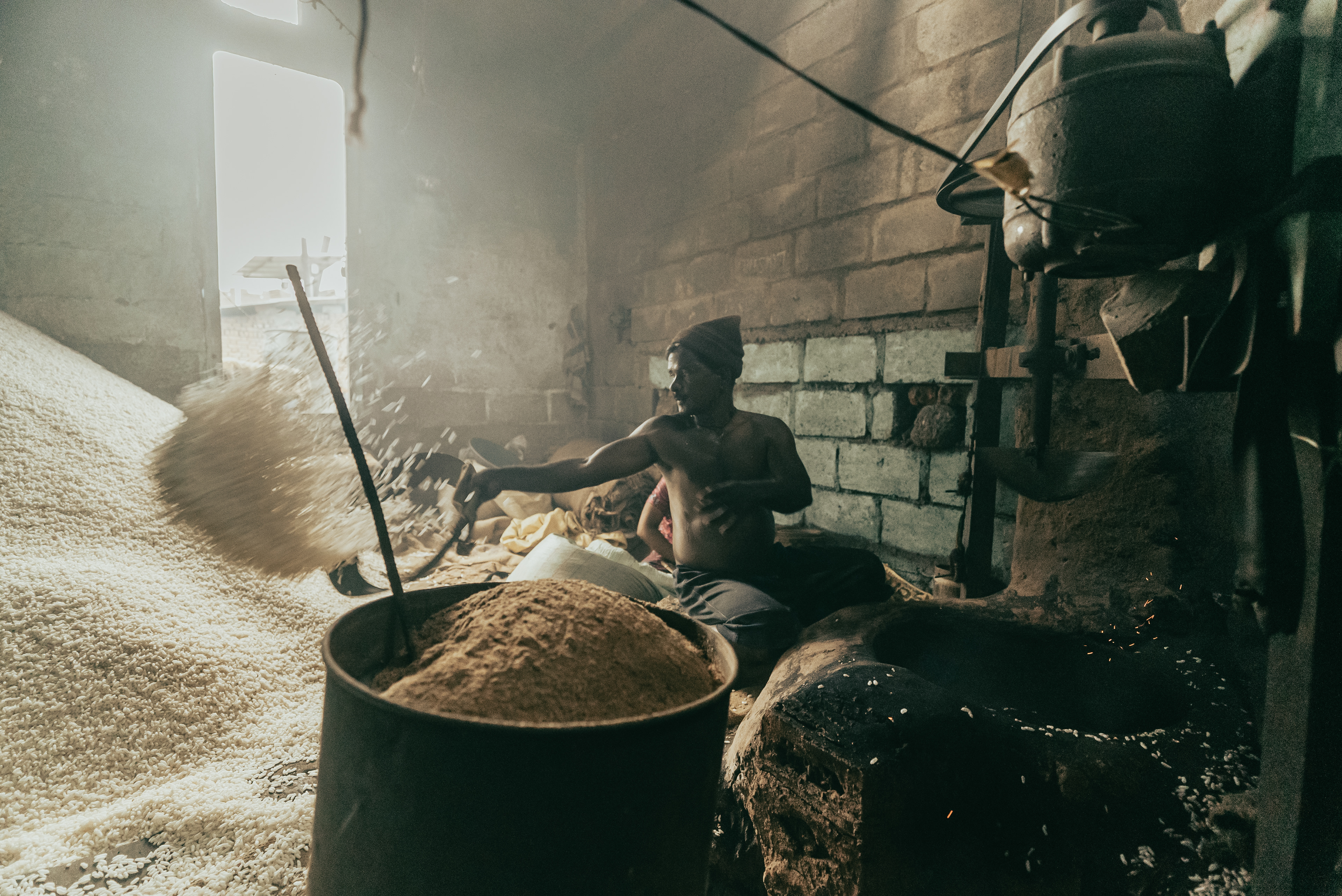
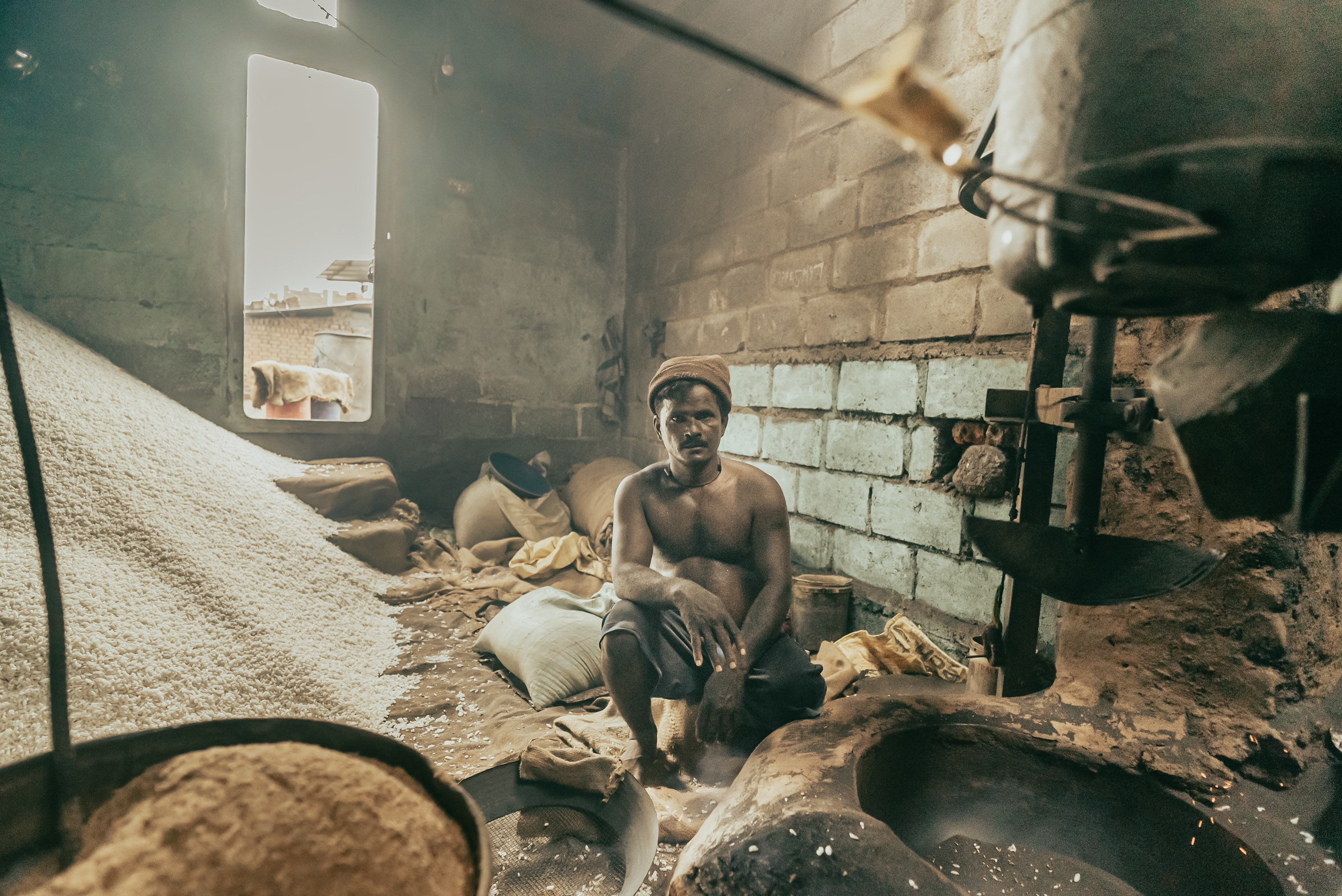
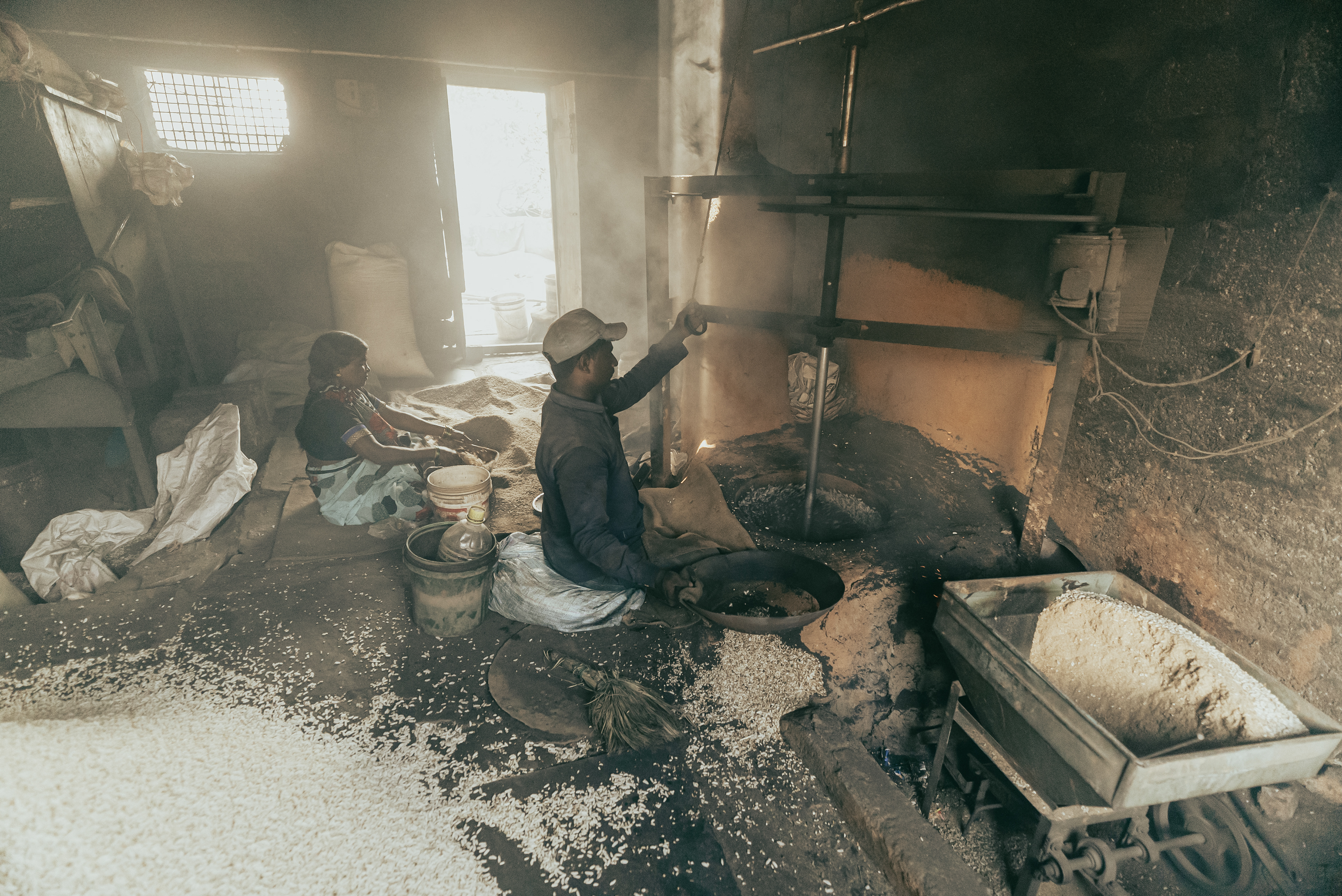
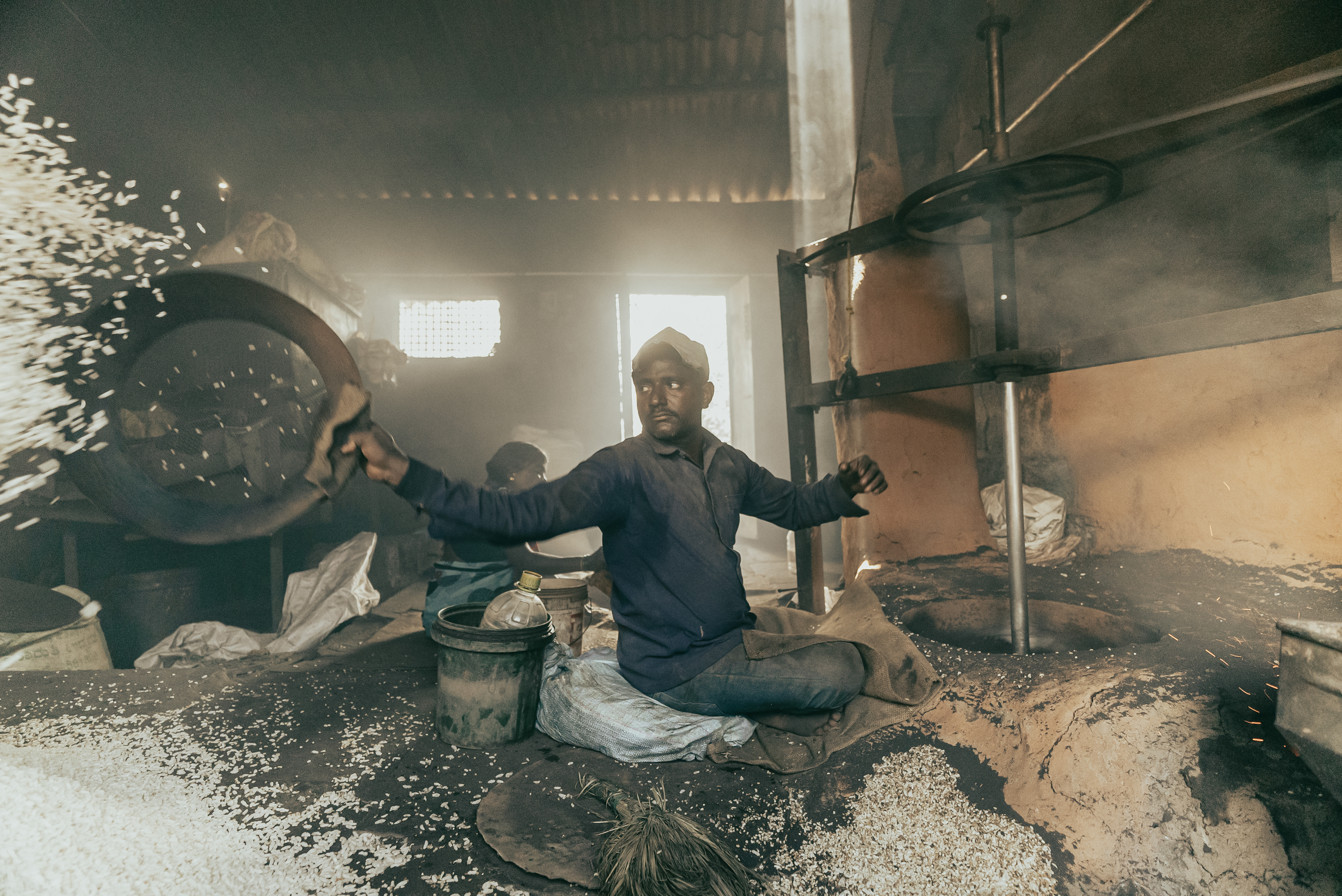
The rice is then lightly coated with a thin layer of salt water before being taken in small quantities for the final stage. It is fried in a large bowl filled with hot sand, where a vertical rod fitted with a fan at the base keeps the grains in constant circular motion. This steady movement ensures that the heat is distributed evenly across each grain.
Within moments, the transformation is visible. The rice begins to swell and burst, turning into bright white puffed grains that stand out sharply against the dark sand. Working with speed and precision, the puffed rice maker scoops out the finished grains onto a porous mesh bowl, skillfully separating them from the sand. The freshly puffed rice is then spread out behind him, gradually forming a growing mound.
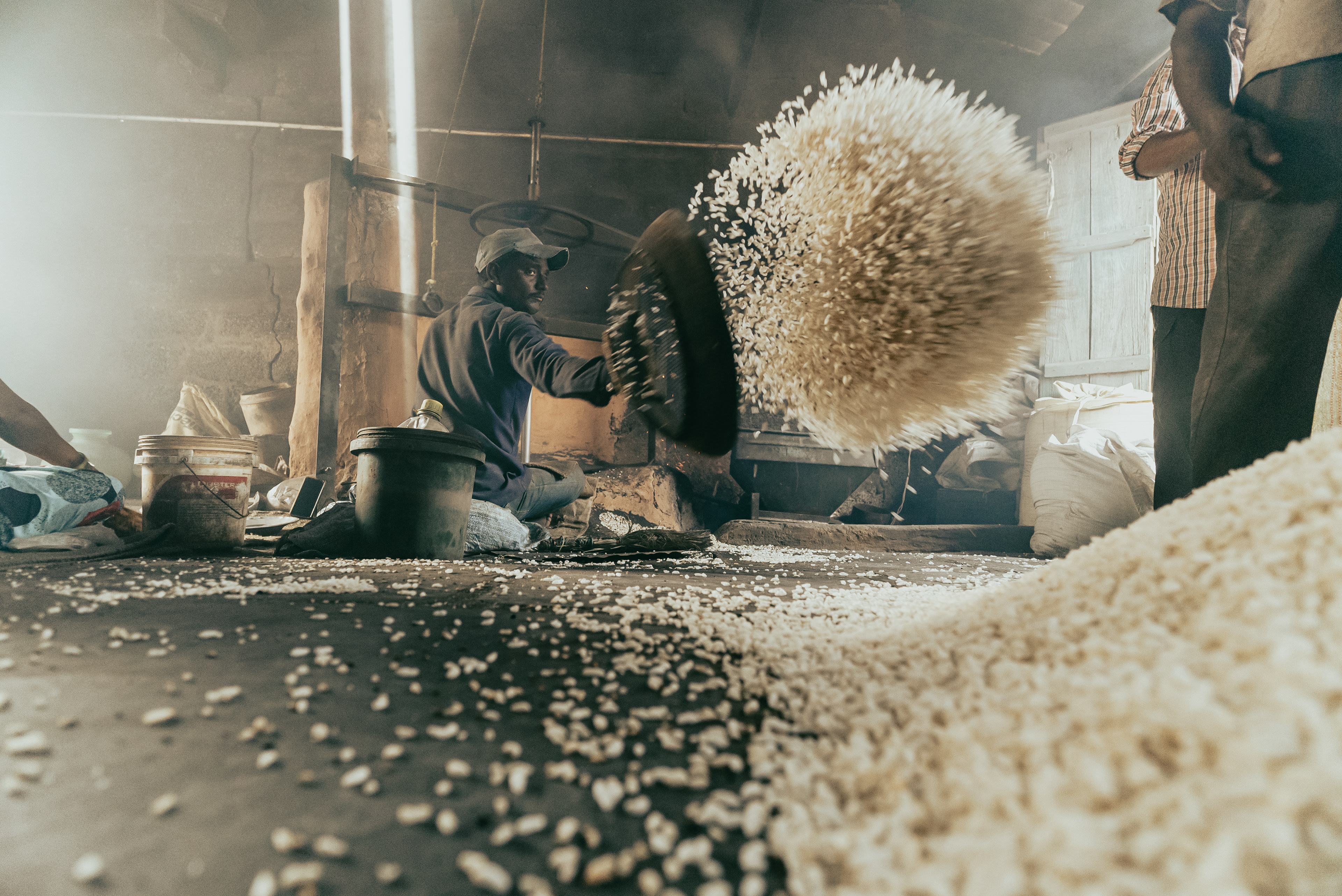
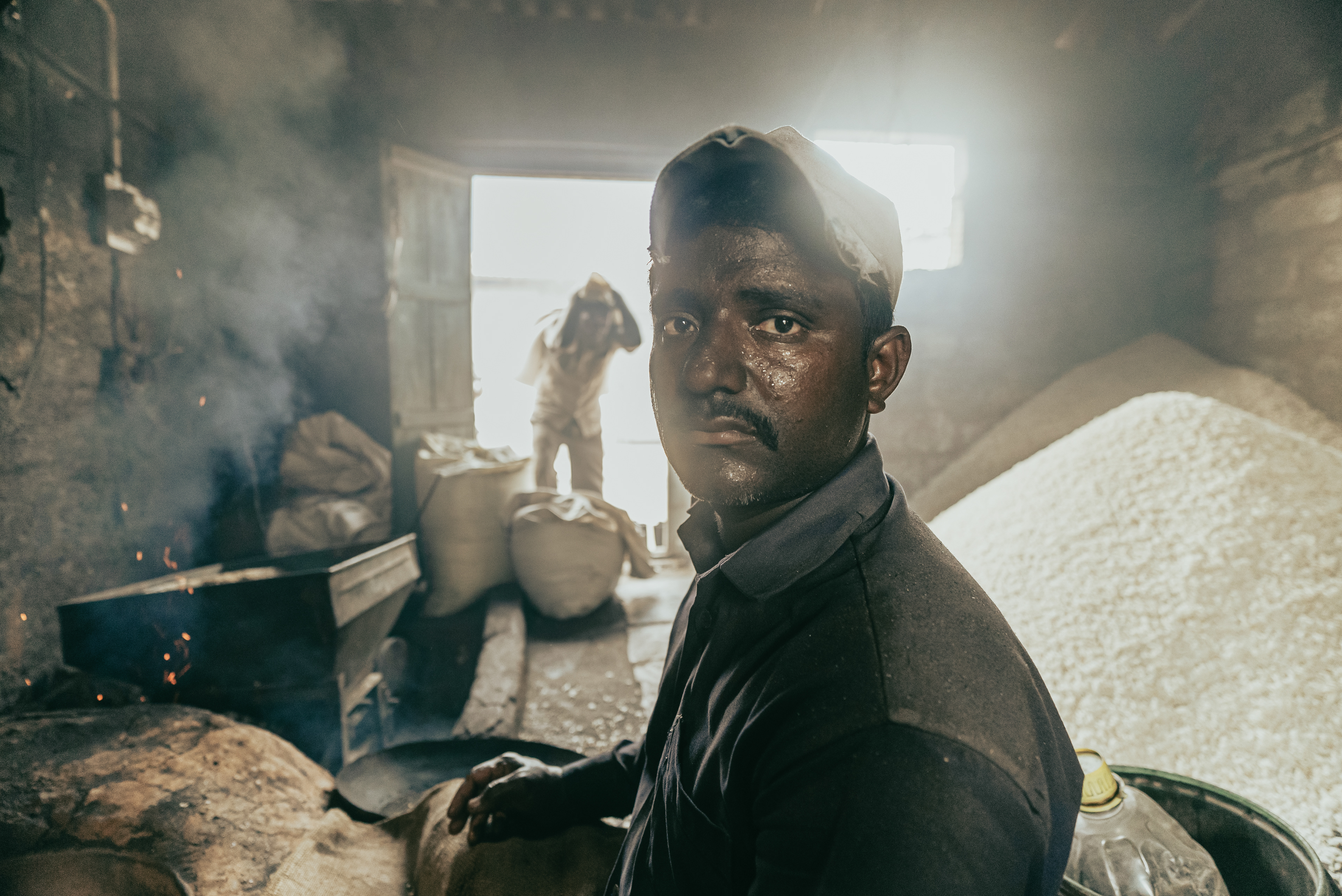
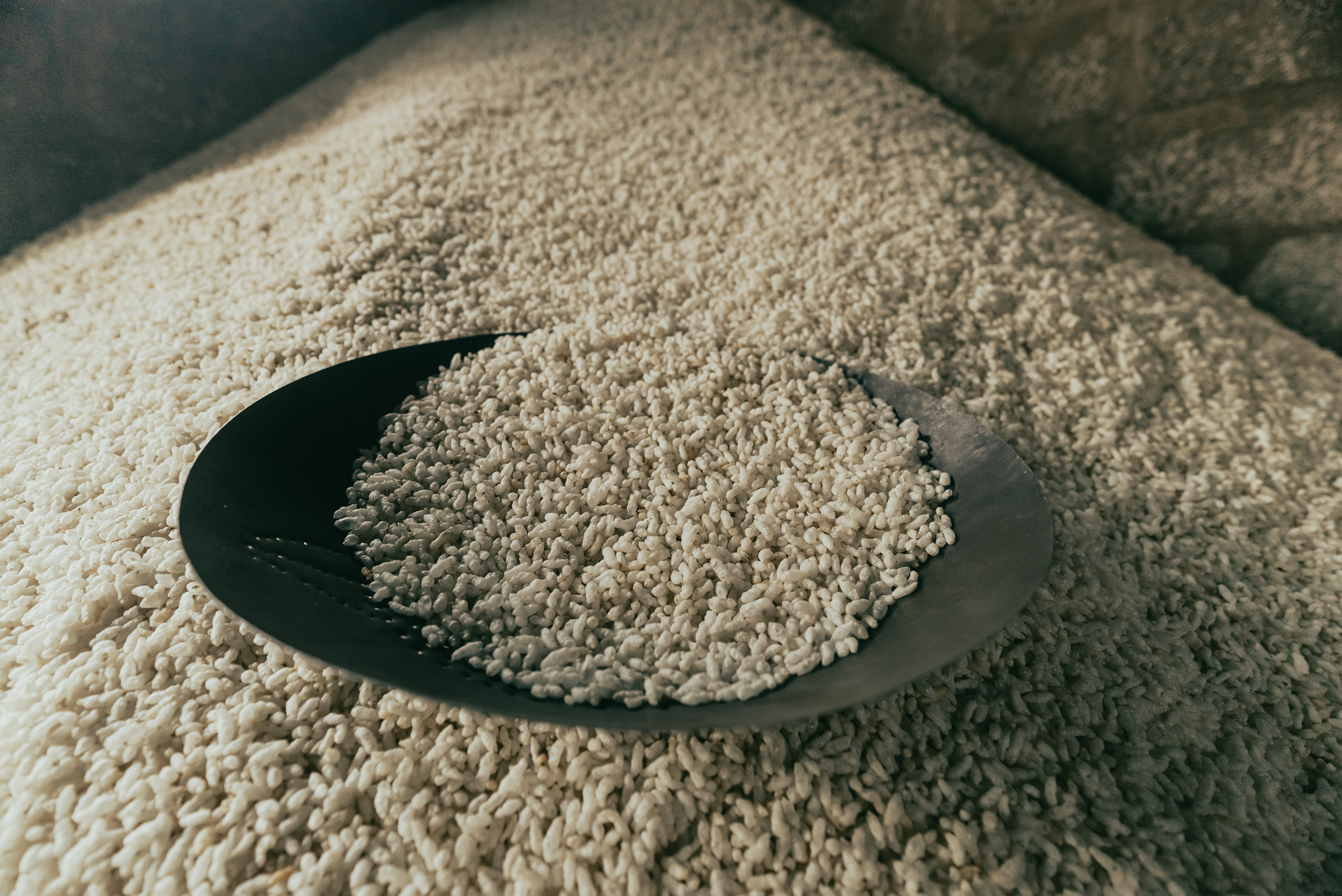
Once completely cooled, the puffed rice is packed into large sacks, ready to be transported to the city—where it will be enjoyed fresh, light, and crisp.
At every stage of this process, heat and dust are constant companions. The intensity builds through the day, making it difficult to endure the harsh afternoon sun. To cope with these conditions, the puffed rice makers begin their work in the early hours of the morning, resting later in the day when the heat becomes overwhelming.
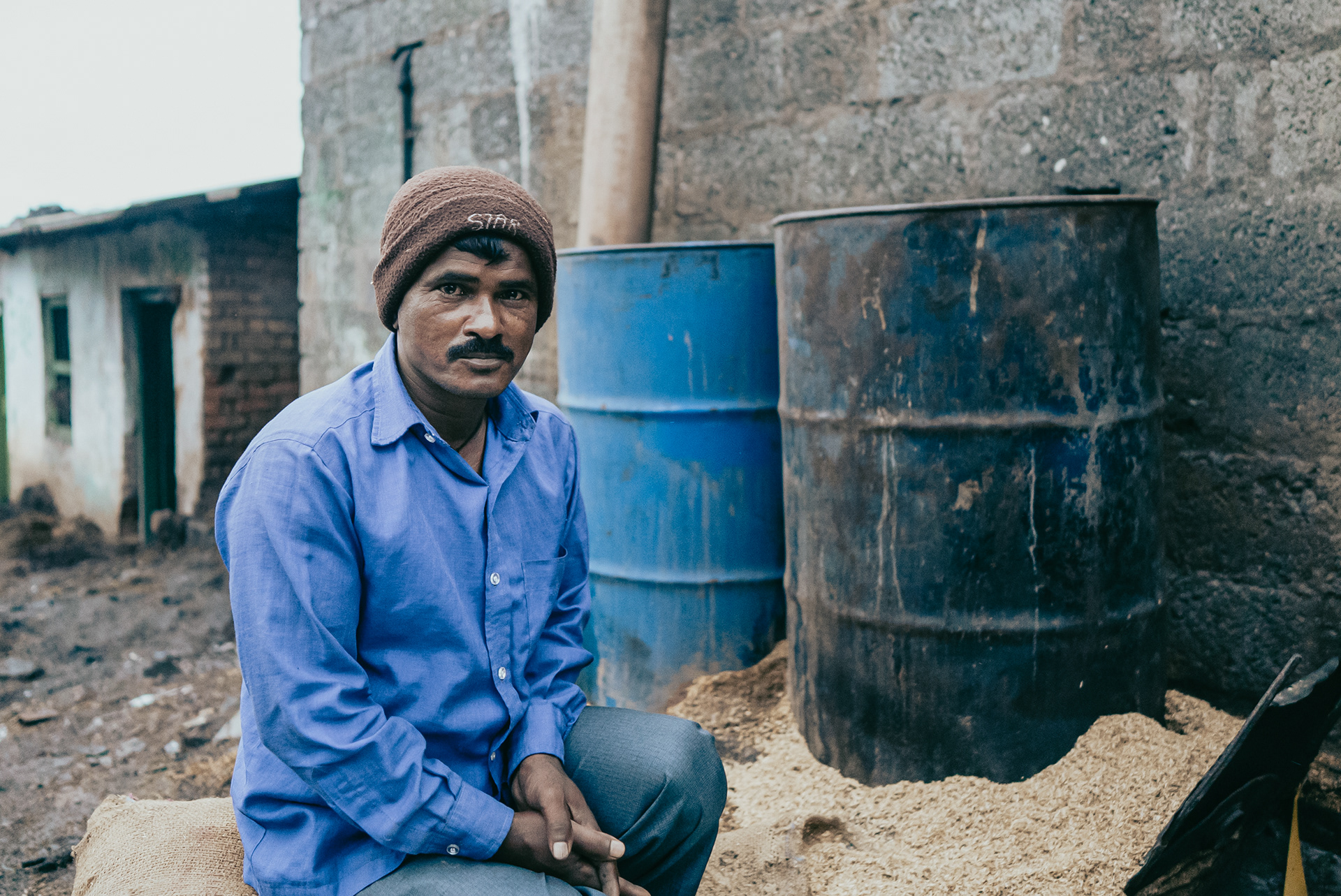
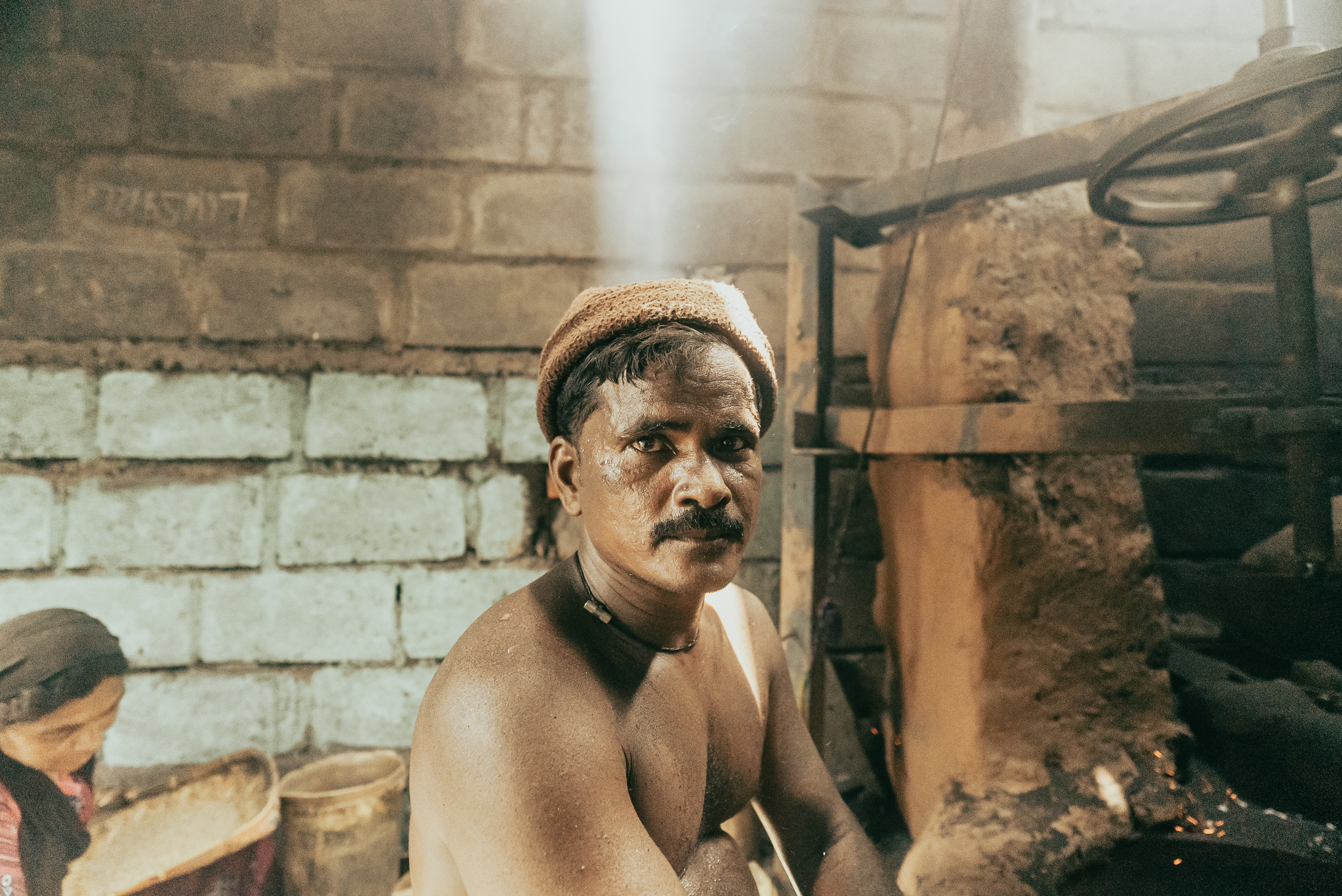
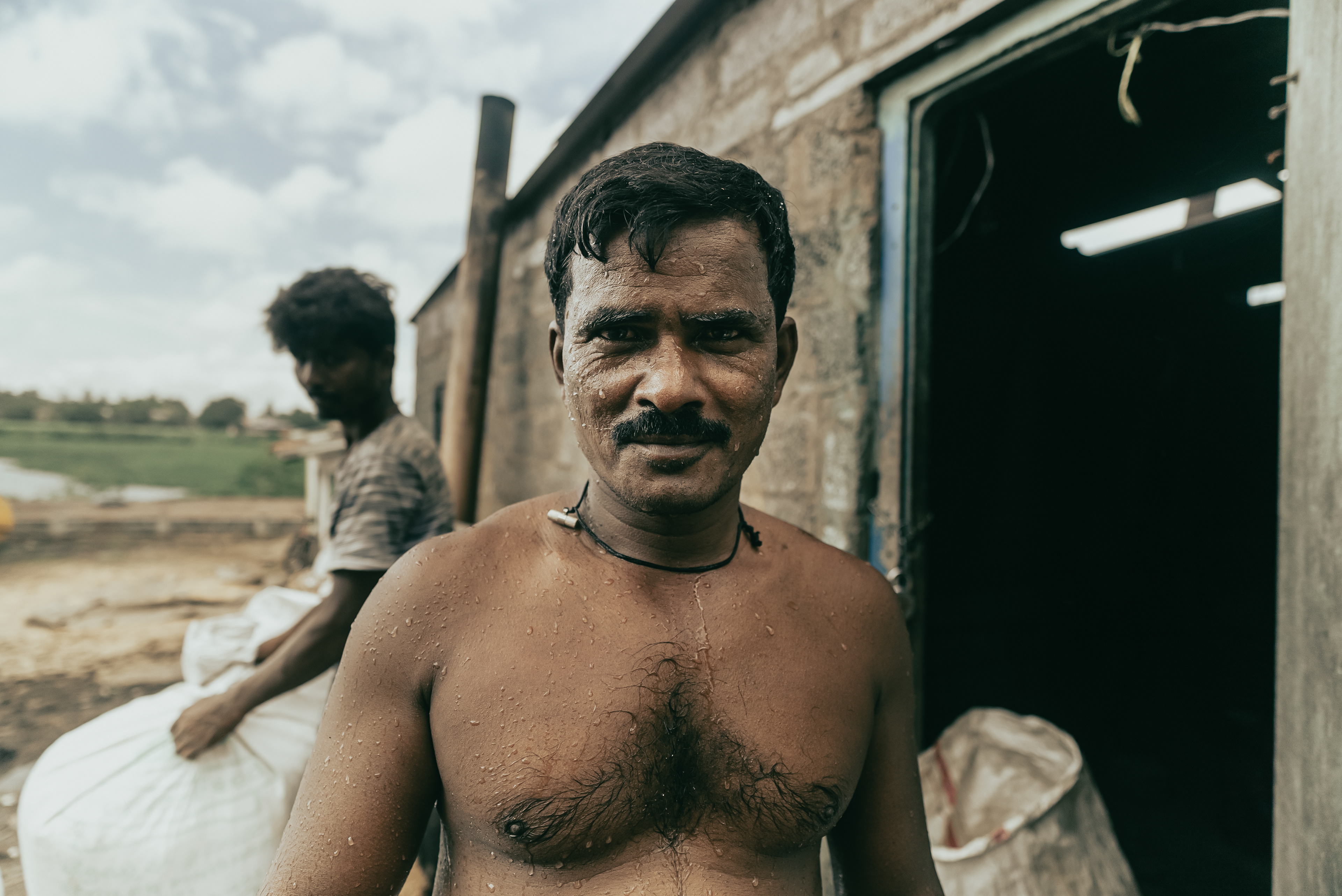
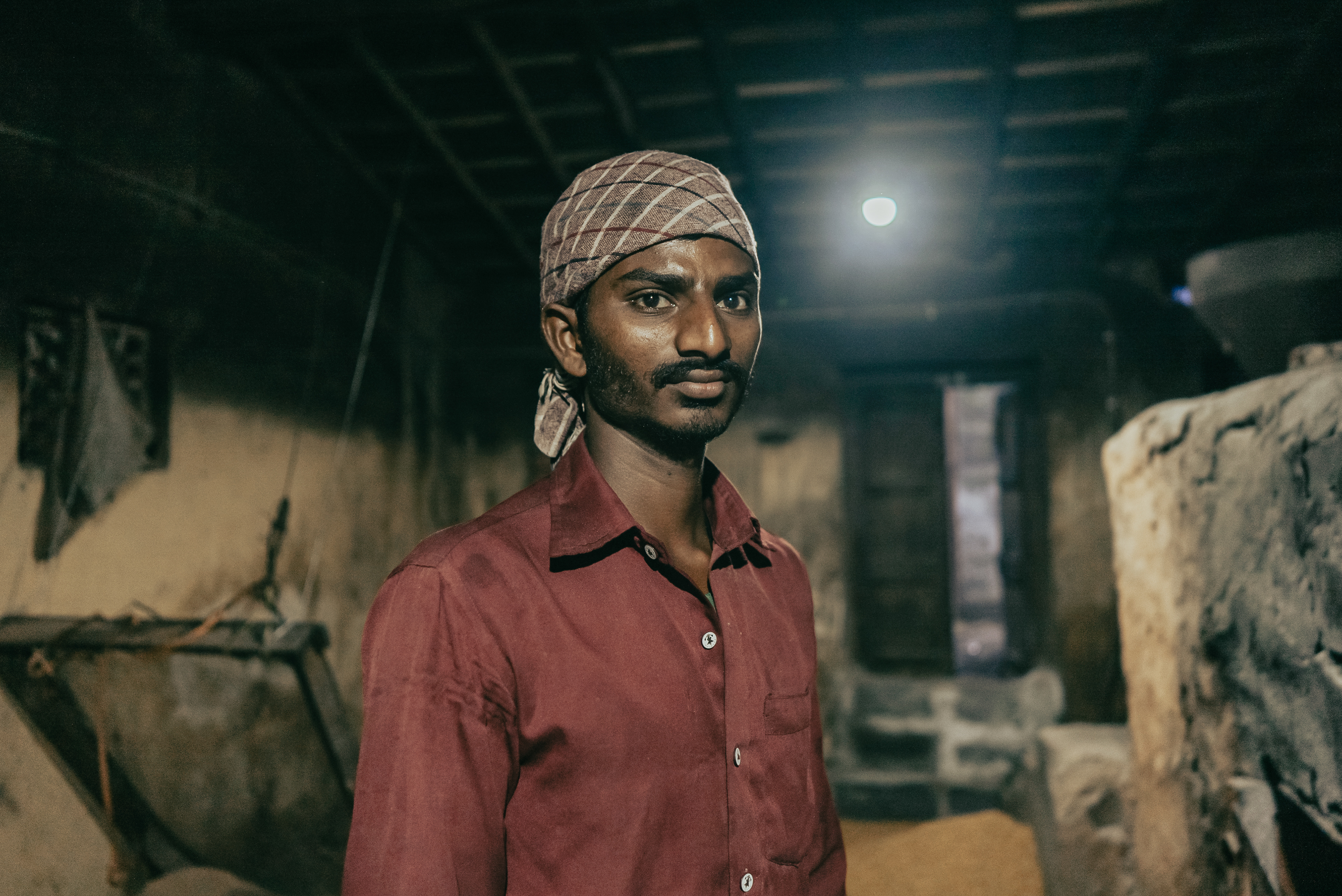
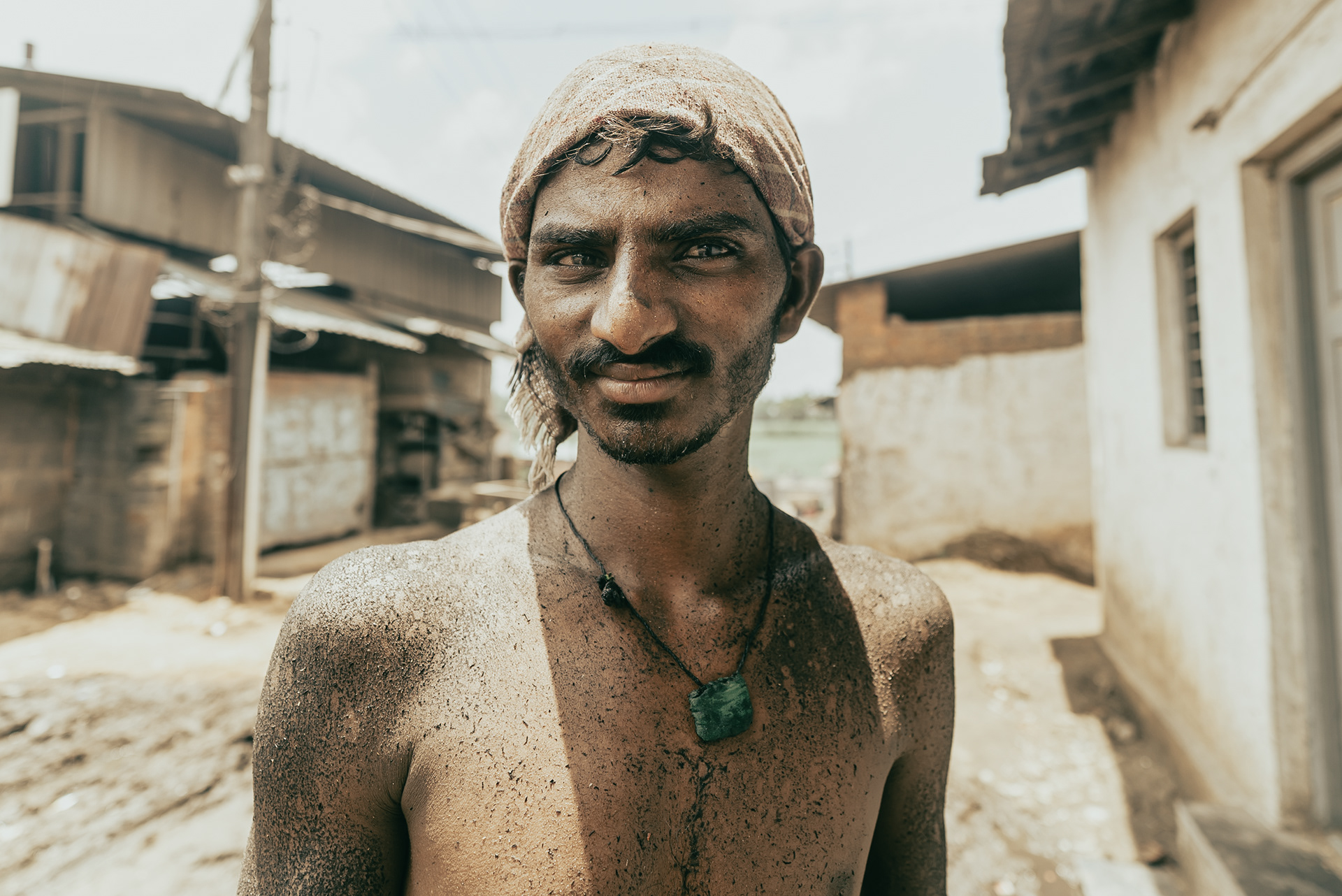
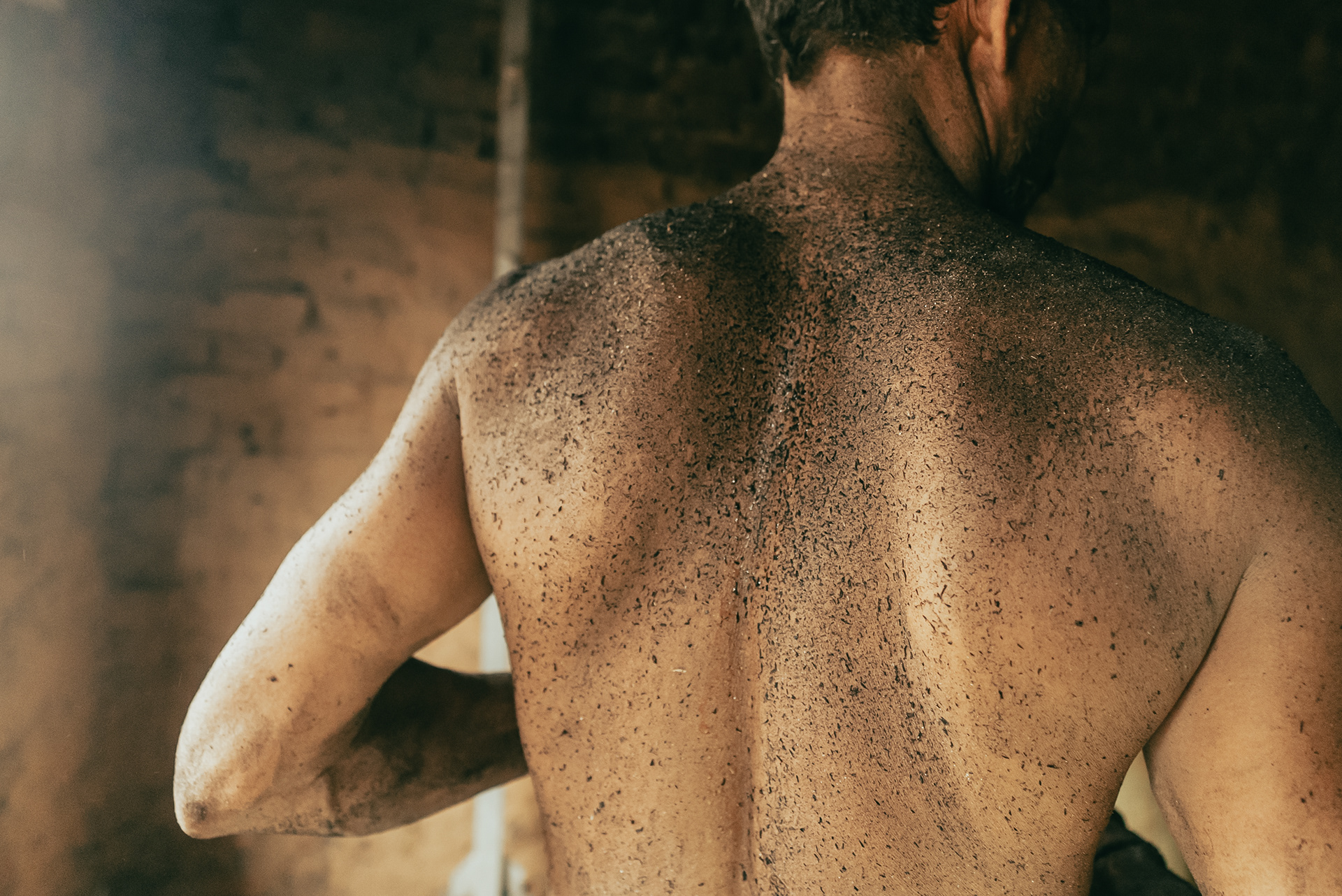
At every stage, heat and dust surround the process. The furnace radiates an unrelenting intensity, and the air is thick with fine particles of ash and grain. By 6:00 a.m., just before work begins in full force, a worker may still appear fresh. But by mid-noon, his body is coated in a layer of black soot, the mark of hours spent close to fire and smoke.
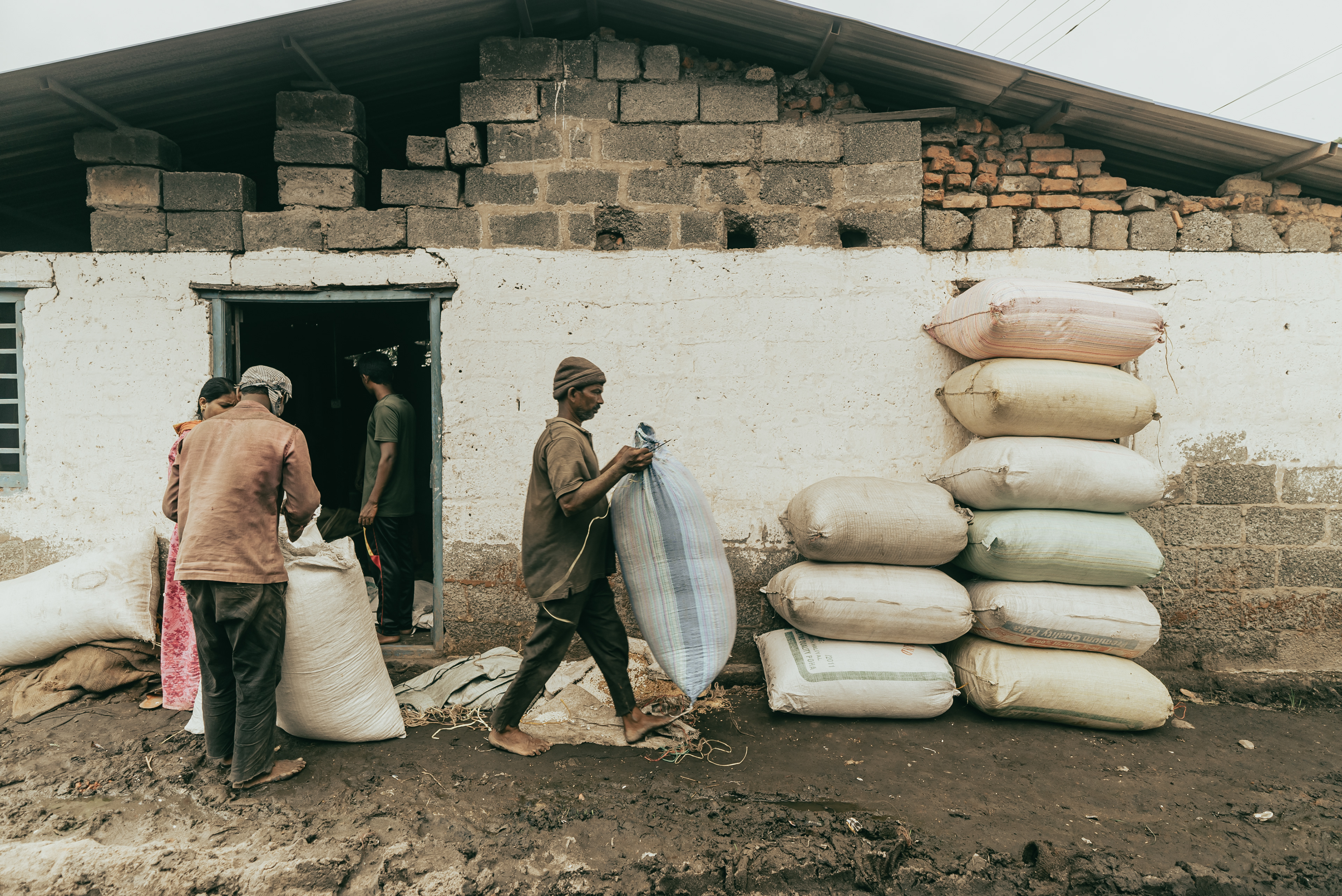
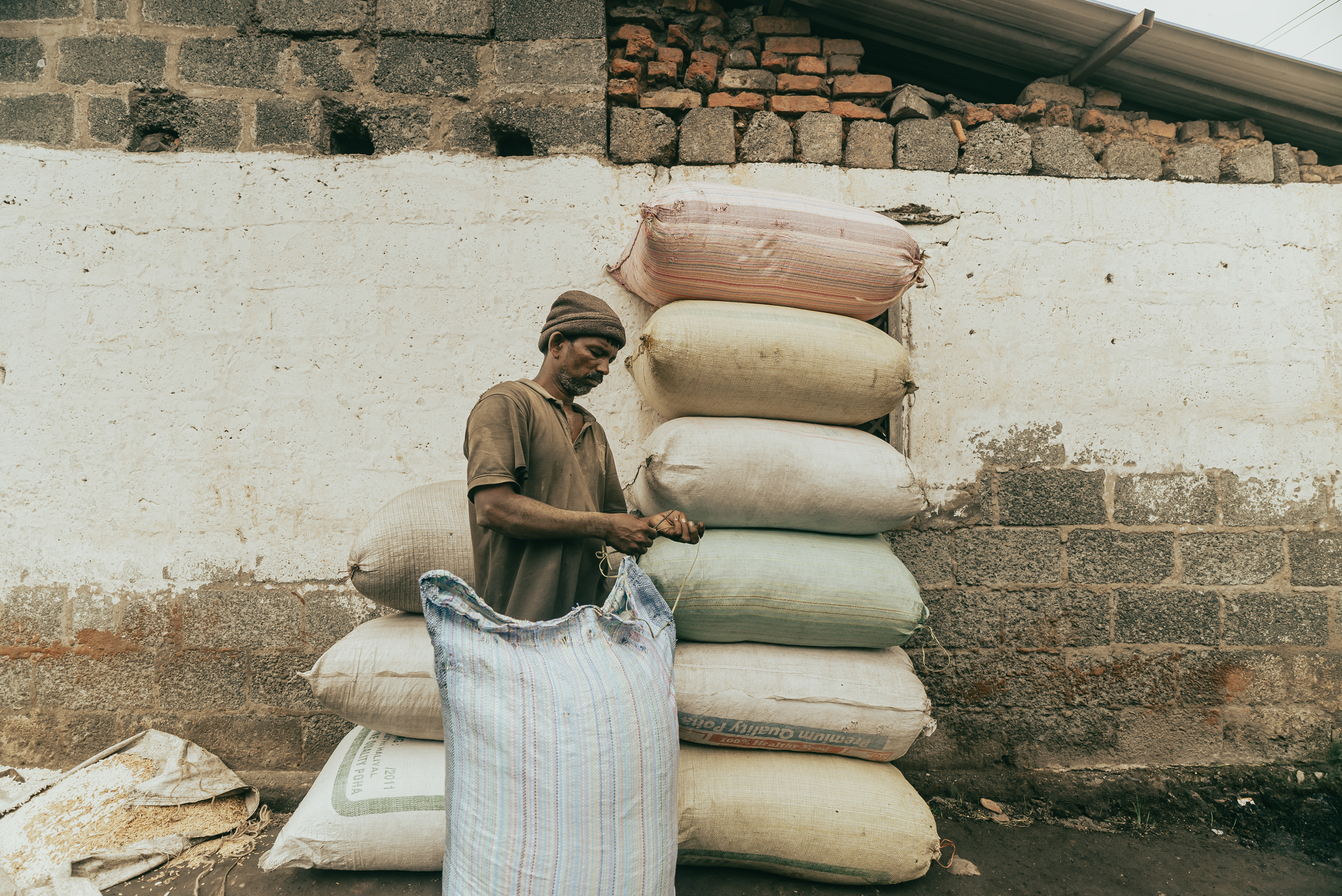
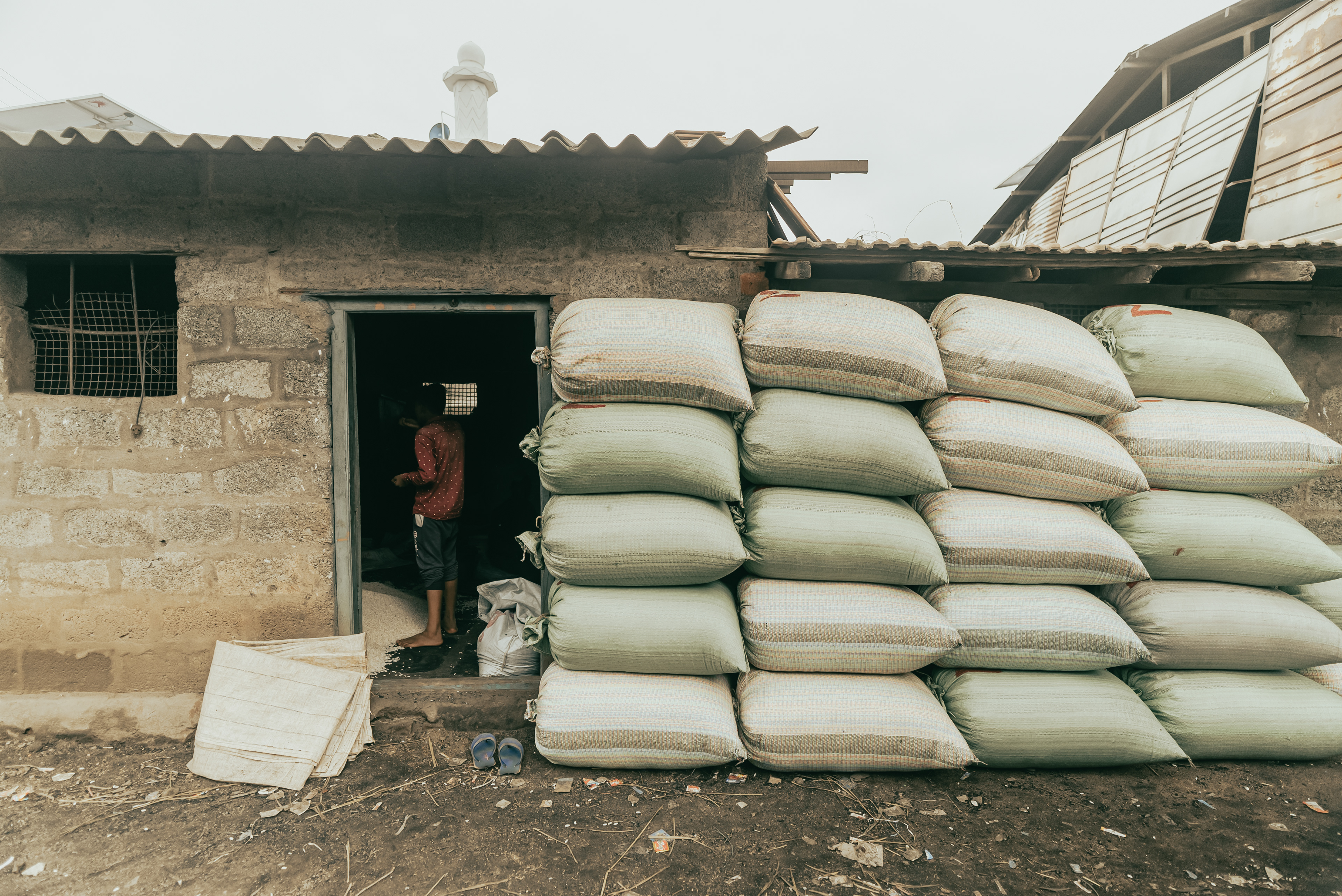
The afternoon sun adds to the challenge, making it difficult to endure the conditions. To cope, the workers begin their day early and rest during the harshest hours. By evening, after the work subsides, the soot is washed away. Clean once more, the worker returns home, carrying with him the quiet exhaustion of a day shaped by fire, heat, and relentless rhythm—ready to begin again before the next dawn.
Credits
This project was initiated and led by Selco Foundation, whose commitment to sustainable livelihoods and grassroots innovation made this work possible.
The documentation was undertaken by Teepoi Films, whose team brought together research, storytelling, and visual documentation to capture the depth and complexity of the process.
I had the privilege of being part of the Teepoi Films team as the lead photographer. This project unfolded over several months of sustained effort, involving close collaboration with the team and the workers whose lives and labor form the heart of this narrative.
This work stands as a collective effort—shaped by the time, trust, and contributions of everyone involved.